Martinou’s music has always thrived in the space where raw emotion and the dancefloor converge, and there are few artists operating today who balance emotional depth and club functionality quite as convincingly as he does. Over the last decade, the Swedish producer has been creating music that feels both deeply personal and effortlessly transportive. Drawing equally from ambient music’s capacity for introspection, the hypnotic pull of techno and the euphoric undercurrents of trance, his productions have become defined by a rare ability to evoke feeling, often through the most delicate of melodic gestures. Across a steadily evolving catalogue that stretches from releases on labels like Turbo Recordings, Studio Barnhus, Horoom, Fauxpas Musik and Kontra-Musik to his own Sewer Sender imprint, the Swedish producer has built a world defined by longing and emotional pressure.
It’s with Rotterdam’s Nous’klaer Audio that he’s found something of a creative home with, however. Across two acclaimed full-lengths, 2021’s Rift and 2024’s Chiral, multiple solo EPs, a contribution to the label’s Paerels III compilation and appearances at the up-and-coming Nous’klaer festival, his relationship with the imprint has continued to be one we look forward to in terms of new releases.Ever since hearing Absorption (Citywide) we’ve just been captivated by Martinou’s ability in soundtracking solitary reflection through ambient music and subtle techno explorations.
That balance between feeling and function feels particularly relevant right now. Fresh from a prolific run of releases that includes new music with longtime collaborator Ben Kaczor as Tarik Hensen, and with 6.05, the forthcoming R.O.W.S album created alongside and completed in honour of his late friend Eletun Selona, arriving this month, Martinou remains in a period of remarkable creative flow. For his Truancy Volume, he turns his focus more directly towards the dancefloor. What unfolds is a mix that still carries all the emotional depth, atmosphere and storytelling that have become hallmarks of his work, but channels them through a more driving, peak-time framework. It’s a mix that captures Martinou at his most club-focused without ever losing sight of the qualities that make his music so affecting.
Hey there Martinou, amazing to have you on the series! So how have you been recently? What’s the year been like for you so far? Any particular highlights you care to tell us about? “Hey there! Such a pleasure to contribute to the series. The recent period has had me locked into a healthy Mon–Fri studio groove. Even when I’m not making music I spend time there sorting records, looking for more music, or taking piano classes online. To reflect further it has felt busy, but in a good way. Until recently I juggled a part-time day job as a technical writer alongside the constant calling of the studio, but as of December that reached an unexpected ending. Maybe not something others would consider a highlight, being let go, but for me to be left full-time with the Martinou project is exactly what I was hoping for. Paradoxically, even with all this time on my hands along with the studio time, there’s still a jarring feeling there’s still not enough time to do all the things I want to do.”
So as this is your first interview on site, I thought we’d just go back a bit. Could you tell us a little bit about where you’re from and what are some of your earliest musical memories, not necessarily in dance music? Apparently Norrköping is a place which holds significant history for you? “In a way I was just another nerd. Growing up in the early 2000s as a teen meant my life was spent with an addiction to World of Warcraft, LAN parties, and learning to copy stuff in FL Studio (5!!). I never really enjoyed doing sports, but upon being coerced by my parents to “at least do something” the gavel fell on street-/breakdancing, orienteering, and playing an instrument. One by one these interests dissipated over time, leaving only the instrument, the flute, remaining. The flute and I got along pretty well, so the natural path forward was to study music, which I stuck with all the way to graduation.
The place to study music at high school level around where I lived at the time was in Norrköping. At the same time I started going to parties in the city, and played some of my first DJ gigs, after having experimented a bit at home beforehand. The city council was very open towards music and clubs, with some really great people running parties I really enjoyed. The amount of parties are less today, but I always enjoy going back and playing there. It feels like coming home.”
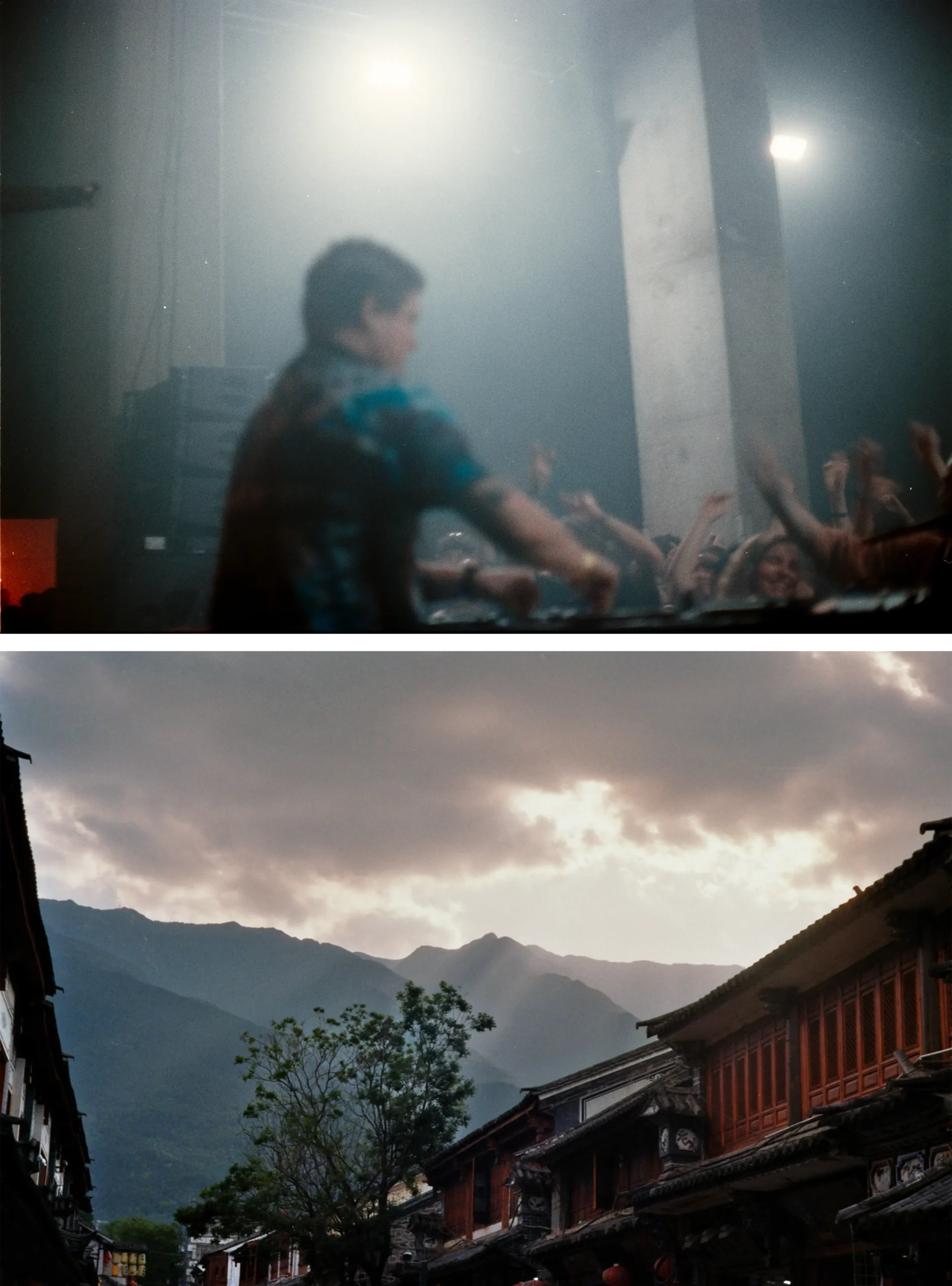
So at what point did you start getting into electronic music, DJing and buying records? Was there one particular summer where you went to an event or someone introduced you to some new music? I feel like a lot of people in this scene have that one magical summer of musical revelation that takes us down this path. Do you have something like that? “Not one summer in particular, no. I think these points all came at different times for me. It all started with making music back in 2004, playing around with the aforementioned FL Studio all weekends long. The obsession with, and real introduction to, electronic music came later. The music was first introduced in the shape of trance through Mauro Picotto, Ferry Corsten and Yoji Biomehanika. Later moving into the French electro realm with Justice, Daft Punk, Mr Oizo.
From there I would bounce back and forth between different sources of inspiration, hardstyle, ambient, dubstep, jungle, trying to copy what I heard in FL Studio as much as humanly possible from what I could find off Soulseek or DC++. The DJing started on a Numark console, not unlike the CDMIX1, where I’d play at parties going full-on SebastiAn or Jack Beats. This must have been around 2008. A period where electronic music felt like it was made to mimic rock music in a way. It was so hard to beatmatch on this thing using only pitch bend buttons, so when I eventually got to play on a CDJ-800 in the club it all felt a lot easier.
Buying and playing records came much later, and we’re closer in time to when the Martinou project came about, around 2013. My first record was Oni Ayhun OAR-004, bought at Fade Records in Stockholm where I had moved after graduation. I played some parties in the city, but it never really took off. So in a way the path has shaped itself slowly over the course of 20+ years, allowing each individual aspect to take its time before moving into the next thing naturally. Reflecting on it now, it’s also how the Martinou project has come to develop, slowly, and allowing everything the time it needs to evolve.”
So when you were fully getting into DJing and dance music what sort of parties did you have in your city that you were going to? “Around the time I started the Martinou project is when I’d consider myself fully dialed in on DJing and actively looking for opportunities. I had recently moved to Stockholm, and my good friend Eletun Selona introduced me to the club Under Bron, part of Trädgården, as well as Berns Gallery 2:35:1, now known as NEU. This is where I properly fell in love with techno. I had never experienced electronic music in that capacity before.
The memories from those nights are still vivid, even though it all dates back to 2014. Under Bron was the spot to go. One night in particular stands out: local resident Johan Östman playing b2b with Maya Lorenço (now Parallax Deep). Later I even got to play a couple of nights with Johan myself. Just mind-blowing stuff.”
Can you tell us a little bit about your development as a producer too from when you first started? Have you had any like ‘ok wow I just learnt that’ moments that have maybe stood out to you? “Most of my producer background came from moving between different genres, arbitrarily leaving the old one behind and focusing entirely on the new, almost feeling ashamed of whatever I had been doing previously. I think the single most formative moment came when I realised I didn’t have to abandon everything I’d learned before. Embracing those influences instead of hiding them made everything so much more interesting.
That realisation came relatively recently, during a studio residency at Inkonst here in Malmö back in 2020. It later shaped how my debut album “Rift” for Nous’Klaer came to be, by embracing the past and moulding it into something new. I’m allowed to tap into my love for trance, explore the hissing textures and heavy compression of French electro, or lean into the heartbreaking melodies of ambient music.”
It feels like 2025 and 2026 have been especially prolific years for you in terms of output. Do you feel that reflects a build-up of material, or a particular creative period you’ve been in? You also received a residency from the Swedish Arts Grants Committee in 2023, did that have any impact on your process? “It all stems from going to the studio more. As part of the Arts Grant, I was invited to stay in an apartment in Berlin for a month, fully paid for by the committee. You were more or less left to your own devices to make whatever you wanted out of the stay, but I decided I wanted to rent a studio in the city for the month and fully commit to it.
From then on I started going every day, leaving weekends off. Spending that much time in the studio meant I suddenly managed to get an incredible amount of music done. By the time I got home from the residency, I just kept the routine going while still juggling the day job. At the same time, I was getting more and more requests from labels, so the process of putting together releases almost became like solving a puzzle, figuring out which tracks belonged together. So yes, a lot of it comes back to the grant and getting me into that studio rotation, something I’m still thankful for today.”
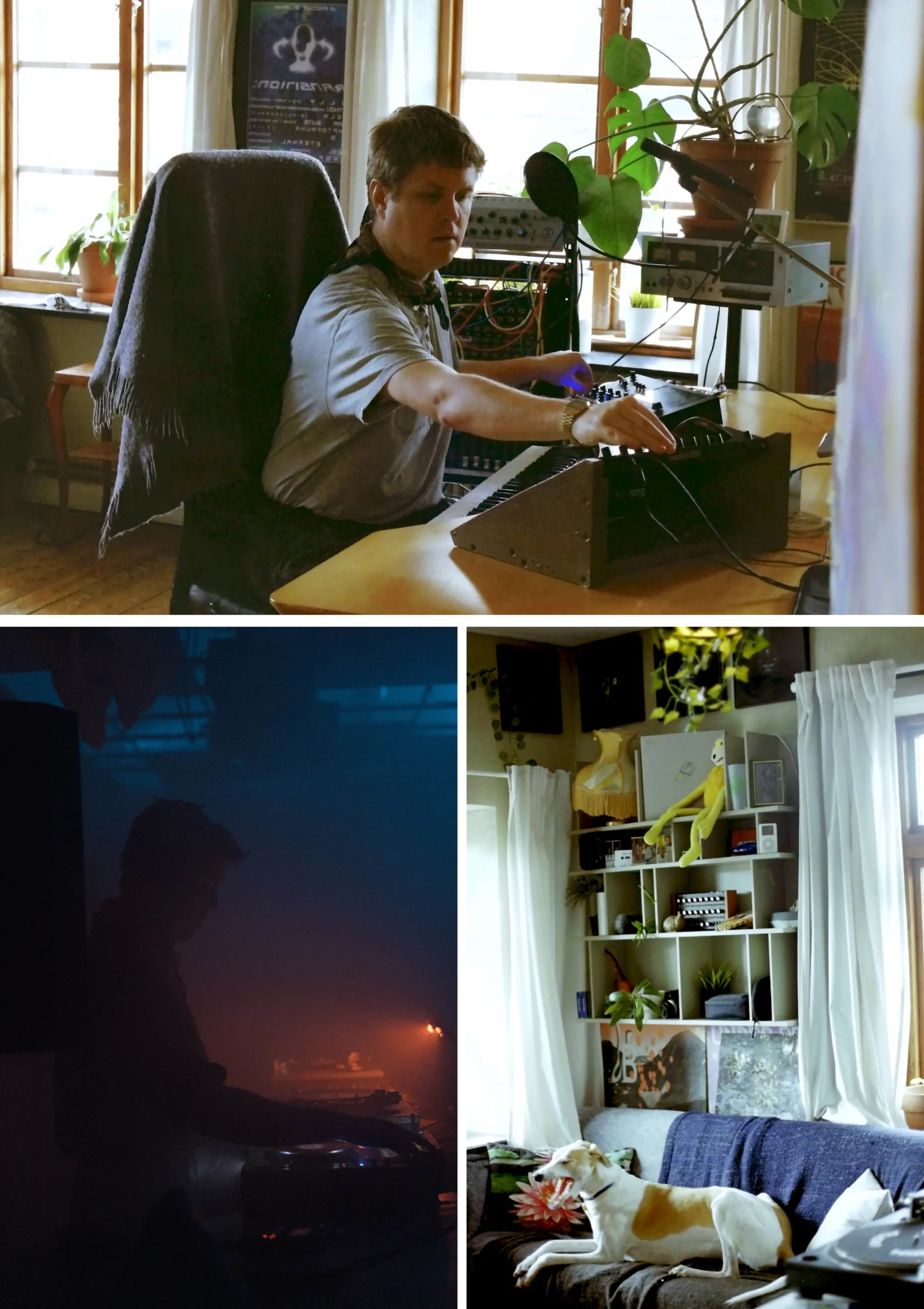
When you’re making music, how often do you think about that balance between feeling, and function? One of my all-time favourite Martinou tracks is Absorption (Citywide) which is just drenched in feeling, and then you’ve obviously got tracks like ‘Surge’ where the feeling is still there but maybe much subtle and the function of the club is more prevalent. Is that something you’re conscious about at all? “I do think about it, and sometimes it can even become an obstacle if you approach something expecting it to become one thing or the other. A good example would probably be comparing the albums “Rift” and “Chiral” on Nous’Klaer Audio. “Rift” is pure emotion, but also very warm and muddy, almost impossible to make sound crisp on a larger system. “Chiral”, on the other hand, is emotional too, but much more surgical and designed with the functionality of club play in mind. Myself and the label founder, Sjoerd Oberman also spent a good amount of time properly mixing the album with assistance from Remco de Jong in Rotterdam. Nowadays my goal is finding the middle ground between the two, breaking the dance floor’s hearts all at once in hi-fidelity audio.”
A lot of your music feels very introspective. As someone who is very introspective myself I often wonder what’s led people to make more heartfelt and deeply emotive music. Where do you think this comes from for you? “I feel like I’ve always carried a lot of longing brewing inside me, regarding myself, the future, or the people I love. It creates this emotional pressure that builds up, and a way for me to relieve some of that pressure is through bursts of emotional expression. It can be crying to a beautiful film, or getting overtaken by goosebumps and that sense of weightlessness from hearing deeply emotive music that’s been made with real care. That release feels absolutely divine. I think my introspective side is rooted in that constant longing for growth, and in wanting to share those emotions with others, to feel understood.”
You made your debut at Inkonst in Malmö back in February, and it feels like the Scandinavian scene in general has developed a really unique sound and energy over the last few years. How do you see the Malmö/Scandinavian scene at the moment, and how much has that environment shaped you creatively? “There’s so much creativity flowing through the Scandinavian scene right now. A lot of great crews are paving the way and showing that you really can create incredible parties and festivals if you genuinely put your heart into them.
I haven’t actually had that much experience playing at home, simply because there are so few spaces to play. This makes the variety suffer along with the opportunities to play, but I think that has more to do with government policies and alcohol laws than gatekeeping or ill will. At the same time, I see a lot of smaller labels and collectives emerging, which gives me a lot of hope for the future.
Personally, the works of labels like Aniara, Random Island and Northern Electronics have been instrumental in shaping my sound into what it is today. I’m at a point now where I long to play more in Scandinavia, to hopefully inspire others and maybe give someone like me something to stand on while building their own thing. Dreaming local, in a way.”
Your recent DeepLabs 013 release with Ben Kaczor as Tarik Hensen feels like a wonderful meeting point between several cities and musical identities, you got Luke Hess from Detroit and you two from Malmö and Basel. How did that shared artistic language and your ongoing creative relationship with Ben Kaczor shape the direction and atmosphere of an EP like Förvandling? “Me and Ben go way back. I think he first reached out on SoundCloud around 2016 or 2017, and we immediately clicked. We’ve both developed at a similar pace, taking similar turns without ever following the exact same path. Anytime we work together it’s always a fun clash, where we’re both open to allowing musical accidents to happen.
The DeepLabs 013 tracks came together before we had any idea where we wanted to release them. We both admire Luke Hess and the output on DeepLabs, and I had already been in touch with him after remixing “Stoicheo” some time earlier. Once the tracks were finished, though, everything suddenly fell into place. It genuinely felt like they had been made for the label.”
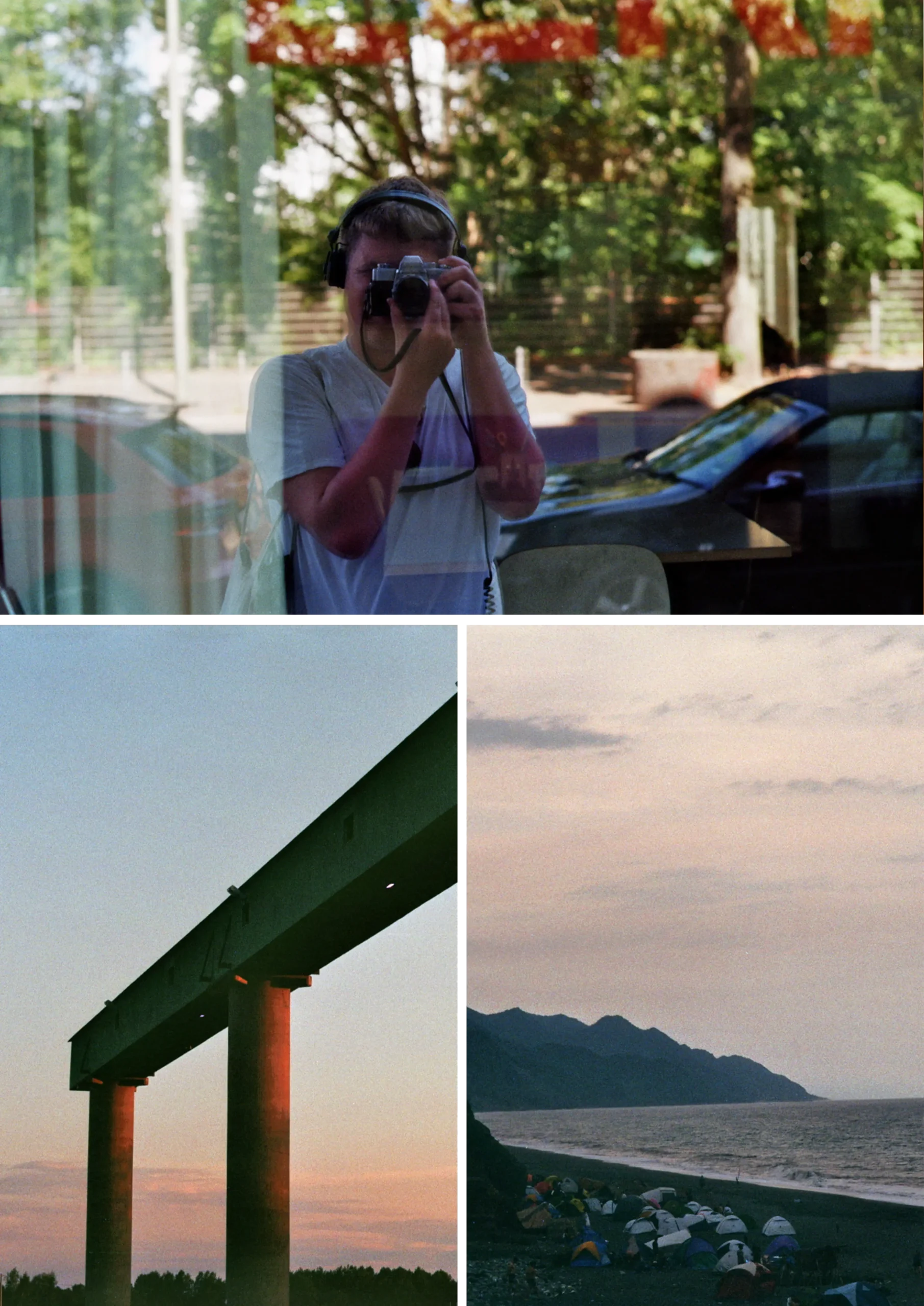
You have a forthcoming album, 6.05, arriving next month on St. Odes as R.O.W.S, a collaborative project with Eletun Selona. You took on the difficult task of completing the album after his passing, music the two of you had created together over several years. How did you approach finishing those pieces in a way that felt respectful to both the collaboration and his creative presence within the project? “R.O.W.S is a project me and Eletun had been working on for many years. We worked very naturally alongside each other on our individual projects, but when it came to collaborating we were both so opinionated that a lot of ideas would eventually stall, planned for to be picked up again later, without it ever happening.
When Ben and Karl (LB Honne) asked if I wanted to release something on St. Odes, the projects me and Eletun had worked on instantly came to mind. The idea became even more cemented after the posthumous release of “Infinita Series”, which me and Eletun’s loved ones released following his sudden passing in 2024. His music resonated with so many people around the world that it almost felt wrong to keep these remaining fragments to myself.
Finishing the projects ended up feeling surprisingly natural. Even though we often struggled while actively working together, we still shared a musical language. It became something I could interpret while trying to stay as close to the original R.O.W.S sound as possible. All the numbers in the track titles are important either to me or to Eletun’s closest friends, and each one carries some connection to memories we shared with him.”
With Sewer Sender, the label you started back in 2014, you’ve previously described it as more than just a label, almost like a shared world or emotional space around music. Looking back now at the project and discography, how do you see its overall arc? “We struggled for a long time to really get it off the ground, so it’s bittersweet that the wider recognition for Eletun’s work only arrived after his passing through “Infinita”. We applied for a series of grants through the Swedish Arts Committee and were fortunate enough to receive support twice, alongside investing our own money, which allowed us to start releasing vinyl ourselves. Sadly, we were terrible at sales.
We had access to a pretty robust international distribution network, but none of us really had the experience or reach needed to properly promote the music back then. Musically though, it was such a fun dynamic. At the end of every release process we’d also write these short stories connected to each release, following a spirit moving through an underground tunnel/sewer system. Along the way the spirit would encounter different points of interest that represented each release. The idea was that all those fragments could later be pieced together into one larger story.
Eletun was very much the driving creative force behind the label, making artworks and pushing the sound forward, while my role became interpreting and executing a lot of those ideas, while also trying to keep things afloat through accounting, A&R and promotion. Looking back on it now, and thinking about finishing the R.O.W.S material, I think that’s partly why it felt so natural stepping back into that role again. It’s something I’d already been doing for years.”
You once said that playing live at Draaimolen felt like “a setting I think my music was originally made for.” Since then your live sets seem to have evolved a lot too. How has your relationship with performing live changed over the years, and what do you think a live set allows you to express differently compared to DJing or making records? “You’re right, it has changed quite a lot actually. The very first iteration of the live set was much more rigid and pre-built. Nothing really allowed for change, and an enormous amount of planning went into everything. Since I was still quite novice with the setup, my approach was to start as simply as possible and then slowly dive deeper into it over time, again, allowing things to naturally evolve.
The big shift came out of something close to boredom. I realised I didn’t have much to do on stage while the tracks were playing, and at the same time I kept getting ideas for things I wanted to change on the fly. I took the opportunity to completely rebuild the setup when I was invited to play for Retreat Radio here in Malmö, barely five minutes from my home. I decided to pull everything apart and spread each track into twelve separate stems, somewhat inspired by Sebastian Mullaert’s way of thinking.
Not only did that give me a much greater sense of control and room for improvisation, it also meant I could make something during the week before a show and immediately integrate it into the live set. So now, the process has almost reversed. I now try ideas live first, and only afterwards decide whether they should become releases and in what form. The live set has become much more deeply connected to the record-making process itself. I rarely play longer than an hour or ninety minutes live. It’s more like a concentrated burst of emotional energy.
DJing, on the other hand, is where I get to tell the longer story. Ideally over three, four, maybe even five hours, really exploring all the different corners of what I’ve collected recently. I spend a lot of time preparing collections of tracks that feel emotionally or sonically connected, while letting the energy of the room shape where things go.
In some ways I’ve probably had more time exploring storytelling through DJing than through live performance, since I’ve only been playing live for a few years, but they both inspire me deeply. I’ve also started playing more and more gigs bringing the majority of music from my vinyl collection, which is so much fun!”
Outside of your own performances, what role does going out and experiencing other DJs still play for you today? “I rarely go out these days. Maybe it has something to do with the lack of variety in the area, although that also feels like a lazy excuse when Copenhagen is only thirty minutes away by train. I think my real peak years of partying happened in my twenties in Stockholm, mainly at Under Bron and 2:35:1.
I still really enjoy going out to see friends play locally, and if I’m already at a festival or event I always make an effort to catch artists I admire. But gigs have become more frequent lately, and if I want this whole Martinou thing to last long term, I need to make sure I’m getting enough rest too. Gotta be back in the studio come Monday.”
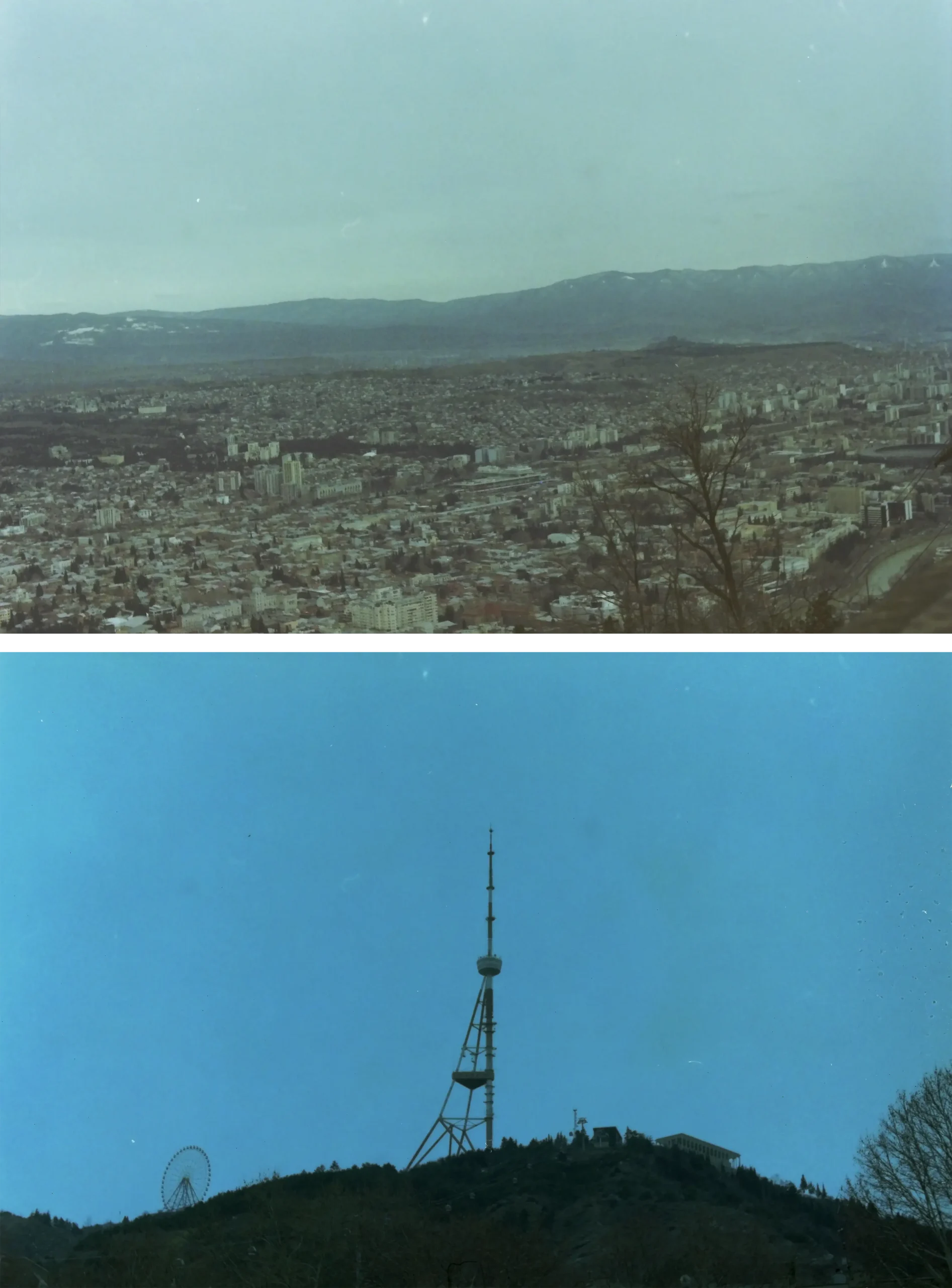
What does the dance floor represent to you now compared to when you first started going out? What sort of experiences and flow do you seek out via your DJ/live sets or someone else’s when watching? “With DJ sets, I want to be dazzled and surprised by the selection. I love hearing someone make bold decisions while still holding onto the red thread connecting either the sound or the emotional atmosphere. It’s great when things become hypnotic and cohesive, but there’s also a very thin line between hypnotic and sleepy. That’s something I take a lot of care trying to avoid in my own DJing too.
When I first started DJing, I think I mainly wanted people to cheer and react loudly. Nowadays my ideal crowd is almost the opposite. I love when people become so immersed in the selection that the only reaction left is an excited gasp, an exhaled “oooff!”, a quick glance of awe exchanged with a friend, before disappearing back into their own dancing trance. With live sets, I want artists to fully commit to their own world and really dive deep into it. I think the attention span is a bit more forgiving in a shorter live setting than during an extended DJ set.”
What sort of other hobbies or interests do you have outside of electronic music? Are there any books, films, shows or other things you’ve seen or been reading/watching that you might want to share? Things that influence you as a person outside of music? “I’m still a huge sucker for computer gaming. Playing things like Dota 2 or Deadlock is a great way for me to unwind. Me and my girlfriend are also really into analogue photography, which some of the pictures from this interview reflect, and it’s something I especially enjoy when travelling.
We also watch a lot of films together and have set ourselves up with a bit of a home cinema setup with a proper projector and surround sound system. Series-wise, I was completely floored by the whole story arc and aesthetic of “Mr. Robot” by Sam Esmail. Also the older Danish series “Riget” (“Kingdom”), which had a resurgence in 2022 with a follow-up season. It almost feels like a Danish-Swedish version of Twin Peaks.
Film-wise, I’m deeply into anything Denis Villeneuve makes, especially the “Dune” films. Speaking of films to cry to, “Hamnet” was one that recently brought me completely to my knees. I also read pretty much any Arthur C. Clarke book I can get my hands on. Recent obsessions have been “Rendezvous with Rama” and similar works. There’s something about older, non-violent sci-fi that somehow feels better the older it gets.”
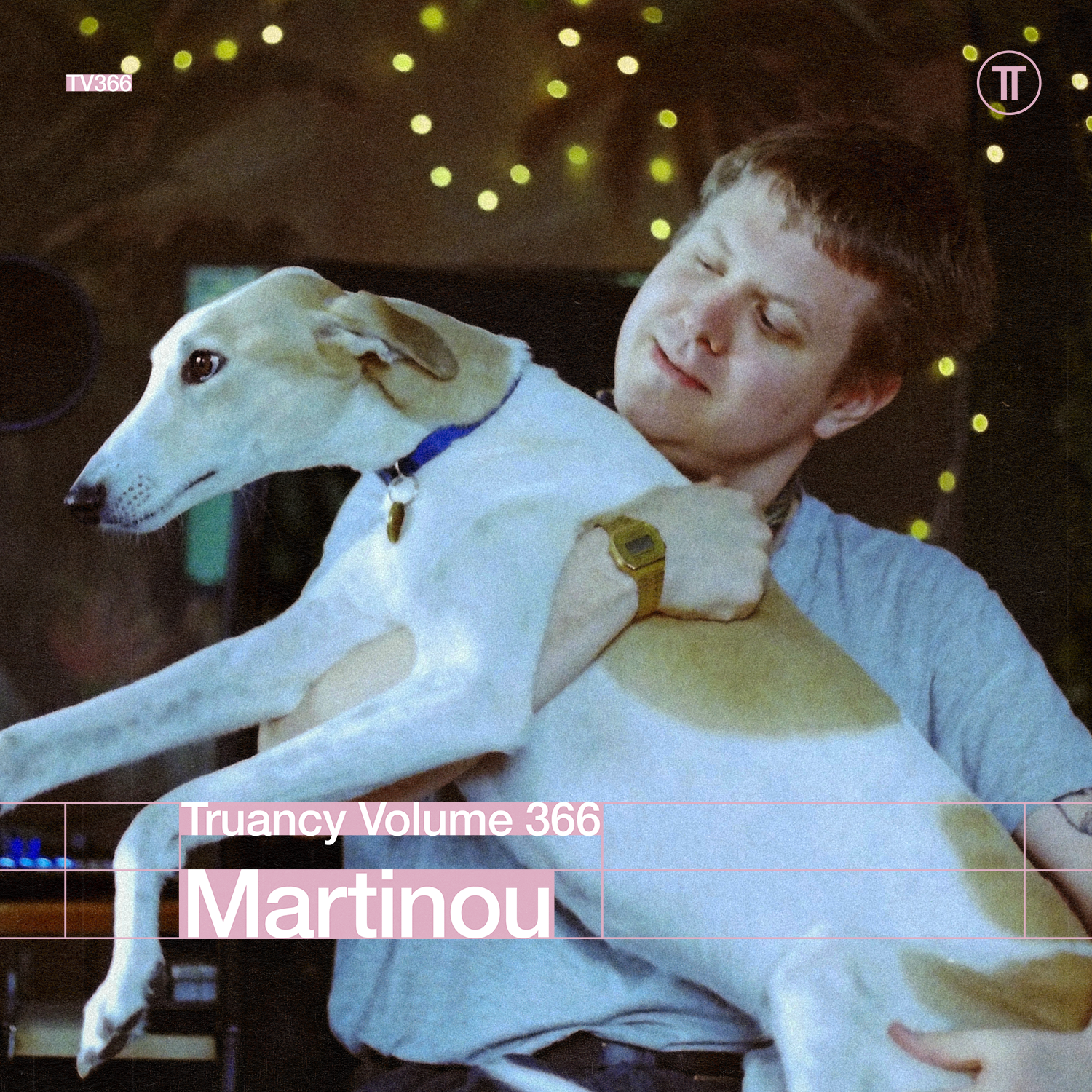
Blind Observatory sent over lots of pics of him and his dog for his Truancy Volume, and I love that you’ve done the same. Can you tell us about yours? “Oh yes, the longboi. He’s a rescue Lurcher from Ireland called Ezra, an absolute goofball. When I met my girlfriend we were both pretty set on getting a dog, and this little guy suddenly showed up through the adoption agency we were monitoring.
Not gonna lie, the first six months were pure chaos. He was a puppy found on the street, and it took a huge amount of work. But once we slowly figured out a common language and started understanding each other, things became much calmer and we found a more peaceful rhythm together. Now he joins me in the studio or comes along on long walks through the park. A real cuddle addict too, which feels very true to the Lurcher stereotype of sleeping all day long.”
What was your approach to crafting your Truancy Volume mix, and are there any particular tracks that hold special significance for you? “With this mix I wanted to express what fragments of a more peak-time oriented set from me might sound like. After a short introduction to the emotional space of the mix I focused more heavily on functionality, club play was very much the headline here since that’s a setting I’ve increasingly found myself booked for lately. I recently played a closing set at RSO in Berlin that wasn’t too far from this recording in spirit.
Throughout the mix there are also a few forthcoming tracks from myself and friends, which has almost become a tradition for Martinou mixes at this point. It’s hard to single out any individual track, but when I finally played the closing track, it immediately felt like the natural ending point. I’m really happy with how it turned out and very excited for people to hear it.”
Looking ahead, what territories, musical or otherwise, are you eager to explore in your upcoming work? What are you looking forward to most now in 2026? “I think I’m going to try slowing down a little in terms of output. That haunting feeling of “you’re not doing enough” has slowly started settling as I’ve gotten more comfortable with the rhythm of making music every day.
I’m honestly not entirely sure where everything is headed, but right now I’m happy with where I am. I’m hoping to play more at home in Scandinavia while continuing to mix that with adventures abroad. Mostly I’m excited to keep meeting and connecting with people.
Recently joining the On Board Agency with my booker Aislinn has also been a complete game changer for me. Having more headspace to focus on the creative aspects will do wonders long term. And of course, opening Stone Techno Festival in Essen on July 10th with a four-hour DJ journey is definitely high up there.”
Last, usual question from us, what was the last thing to put a big smile on your face and when was the last time you had a proper dance? “I tend to smile and laugh quite a lot. But a recent big one was after the rains last week when all of Malmö is in full green bloom and you feel summer is just around the corner. Can’t help it, that wind through the leaves is a treat. Last proper dance was listening to Skyra play live at Horoom in Bassiani for our HRM004 release party back in March.”
Martinou: Soundcloud, Instragram, Resident Advisor, Bandcamp
R.O.W.S (Martinou & Eletun Selona) – 6.05 is out on the 19th June on St Odes
Pintai One – Various Artists 2×12″ with Martinou. Pre-orders opening 3rd of June
Tarik Hensen (Martinou & Ben Kaczor) – Förvandling EP us out now on Deep Labs.
You can download Truancy Volume 366: Martinou in 320 kbps and view the full tracklist on Patreon here. Your support helps cover all our costs and allows Truants to continue running as a non-profit and ad-free platform. Members will receive exclusive access to mixes and tracklists. We urge you to support the future of independent music journalism—a little goes a long way. If you need any IDs though, please leave us a comment on the Soundcloud link and we will do our best to get back to you with the track ID :)