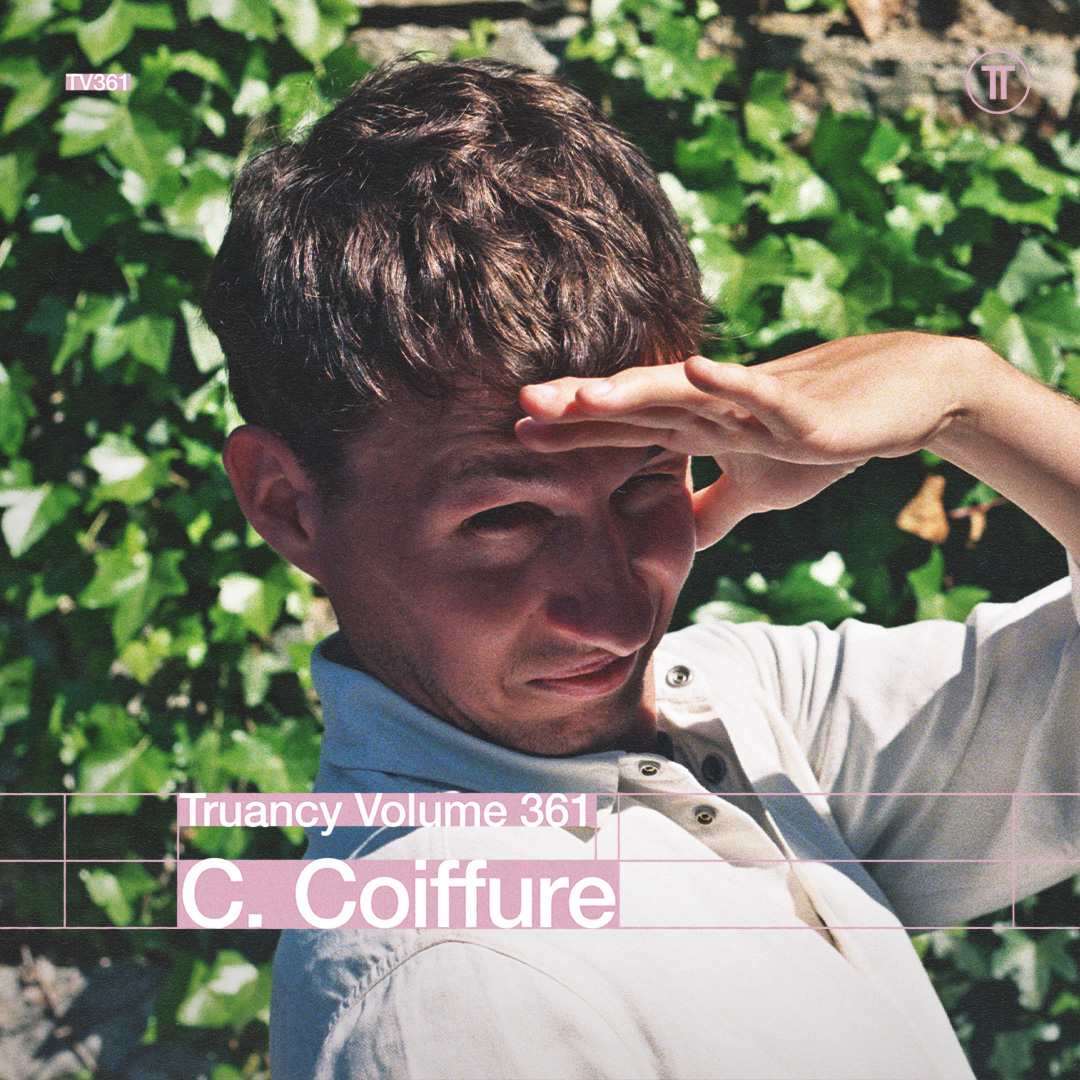
Lyon-born DJ and producer Christian Coiffure, now streamlined to C. Coiffure, has spent the past decade carving a singular path through France’s underground. Early releases on Worst Records and Comic Sans Records hinted at his restless approach, but it was the quietly pivotal Lookbook 2021–2023 that locked it in, with “Meet Her Stage 2” emerging as an understated club favourite. Rooted in UK bass weight but shaped by years of hardware tinkering and IDM curiosity, his productions move fluidly between abstract techno, dubbed-out pressure and finely tuned sound design.
Since then, Coiffure has embedded himself deeper into Europe’s leftfield circuitry, recently releasing a split record on Bait alongside Andy Martin, collaborations with Sha Ru and appearances on a run of cult compilations have expanded his Discography. His live set, tested at Positive Education and in London for Bait x Kinetic, threads together stems, and modular jams, while a residency on LYL Radio offers a wider lens into the DIY and experimental corners that feed his practice.
The mix he’s delivered for us captures where he stands in 2026, a taste in music that is both exploratory and emotionally dialled-in. Dubbing out the dancefloor without losing its edge, it moves through low-slung bass, fractured percussion and 4×4 rhythmic heaters both minimal and maximal. As ever with C. Coiffure, it resists easy categorisation, preferring instead to trace the space between influence and instinct.
Hey Christian! Hope you’ve been well! So just to start and a month into 2026, how do you look back on 2025? Do you have any particular highlights, be it both personal and professionally? “2025 was a good year for me so far. Challenging physically but really happy with what I managed to accomplish, not only on my own but with the people around me as well.”
So as this is your first interview on site, I thought we’d just go back a bit. Could you tell us a little bit about the city you grew up in and what are some of your earliest musical memories of maybe growing up there? “I grew up in Lyon, France. Some good memories as a teenager would be my first time in a big concert hall. The biggest room in Lyon can fit like 8000 people. My dad took me to see Placebo for the Battle For The Sun album tour, in 2009/2010. I came back later on in my student years to see Justice, it was massive. My interest in electronic music came pretty late and I started to go to clubs in 2012/2013, I was 20/21. My first time at Le Sucre is still something I remember, I went to see Karenn live, I was front row during the whole thing.”
Could you next tell us how you first got into electronic music and DJing following that? What were the initial influences, people, music that set you down this passion? I understand you had an older sister who introduced you to a lot of IDM? “I started DJing for student parties in 2010/2011 with Virtual DJ and a cheap controller, a friend got me into this and at the time I was enjoying making funny mash-ups and I enjoyed playing mainstream stuff with some of the stuff I liked. A highly influential release was a recorded liveset from Beat Torrent, two turntablists that used to run big festivals in France and their thing was to blend and mash-up classics from hip-hop, rock and electro/french touch. Beside listening to the music I liked, I didn’t have much interest in the scene, I was only following the artists/genres I was into, which were French Electro/House hype at the time like Ed Banger and a bit of dubstep/UK stuff like early Hessle Audio, the Future Garage wave like Julio Bashmore, Disclosure, Bwana, etc. (I’m just realizing that the people I admired at the time were first of all producers before DJs, maybe that played a great role in the shaping of my musical path). I recorded my first podcast with the mouse on Virtual DJ during the summer 2012 while on internship in a farm deep in the countryside, 1h30 from Lyon. I was spending most of my free time there working this mix. I tried to find it back recently but I just lost it. This same year a friend who was mixing on vinyls started to teach me some stuff, he was playing slo-mo disco edits, funk, hip-hop. I was digging this thing so I started to buy records. The next summer I was in Spain for an internship as well and found a pair of Technics SL-1200, then bought the cheapest mixer I could find, a Numark M2 and then I was started. I always thought I’d drop this mixer very quickly but I ended up keeping it for 12 years and replaced it only a few months ago. About my sister, when she knew I was into electronic music she started to talk to me about the things she liked, like Aphex Twin, Venetian Snares, Congo Natty but except for a few tracks, these were quite challenging to my ears. I can’t recall when this happened exactly.”
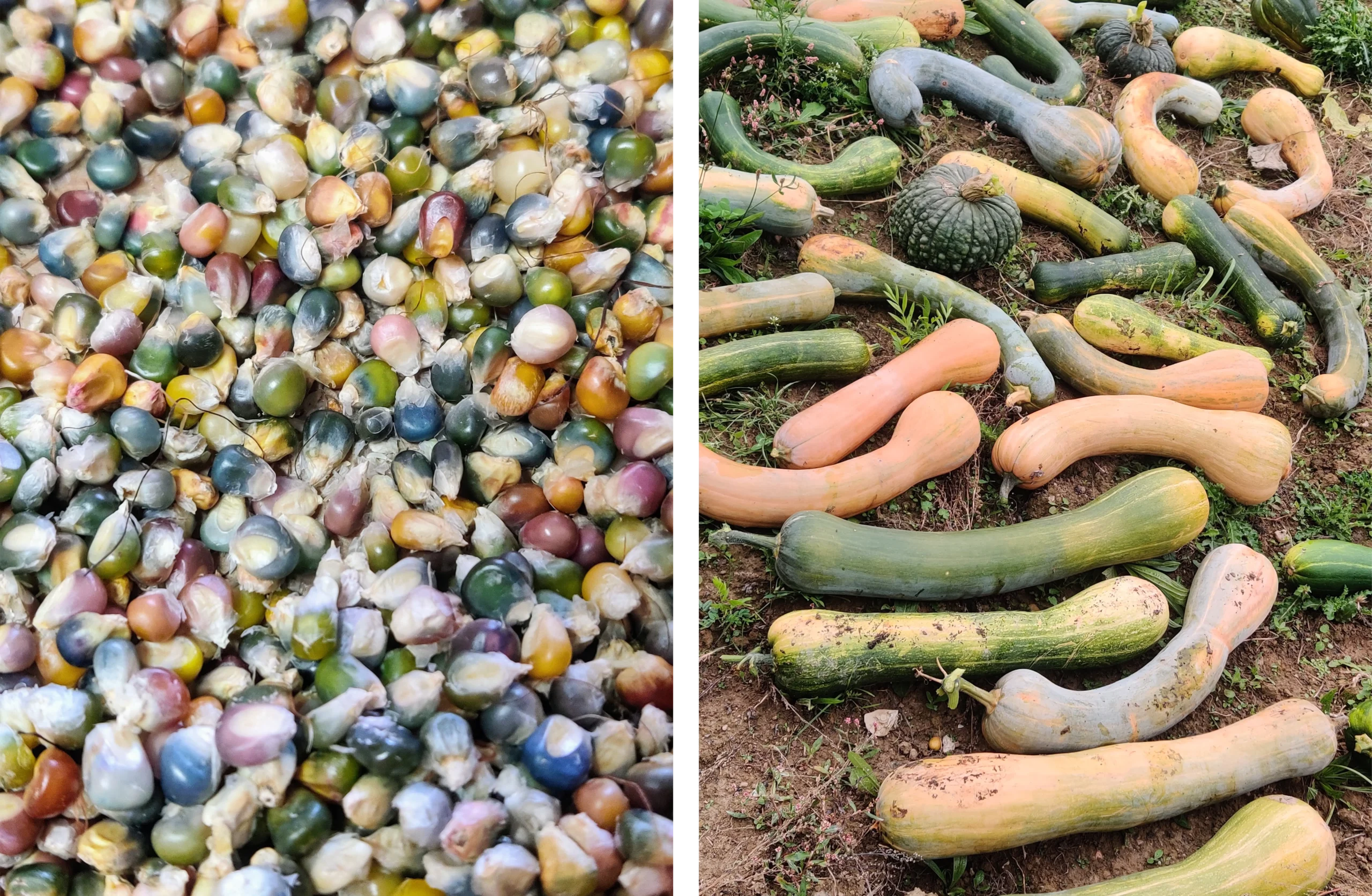
In terms of clubbing in France, what sort of parties got you more invested in dance music? “I stayed in Lyon most of my early 20s and I grew up in a generation for whom Les Nuits Sonores, one of the biggest festivals in town, was a must attend. Even if I didn’t go that often, checking line-ups kind of gave me an electronic culture base. And the first years of Le Sucre were really something. There were Sunday parties called We Are Reality which hosted big names of the Techno/House spectrum. I still have a flyer of these parties in a notebook in which I archive stickers and stuff (I included this in the pics selection). At the time I also got to be aware of the underground things happening in Lyon, some recordshops opened like Chez Emile and Groovedge which were a gathering point and some labels and crews started some DIY event series. Everything was really thrilling, it was really exciting to witness even if I was quite outside of it because I started to move around for studies and work between 2014 and 2017. I spent a few months in Bordeaux as well and to party I used to go to TPLT events called le Verger happening in a really cool arty outdoor/indoor venue.”
So what were the initial years like of you producing music? What were some breakthroughs for you in being able to get out the sound you wanted to? Any VST or synth that you just fell for and have used regularly in your music? “I’ve come a long way lol. It took me ages to gain skills step by step. I wasn’t that curious about how things should be done etc. For years and years I’ve just been fooling around with a DAW trying to make the things I like. It took me several years to be able to say to myself “I want to release music” and for a long time my goal was to have a record with my name on it.
I began to write music on Guitar Pro 5 in high school because my cousins were playing guitar and then I started to take drums and music theory lessons. After high school in 2010 I got an Alesis Micron and switched on Garageband. I was also jamming with some friends and one gave me an Ableton 7 crack. It took me a few months before I felt like getting curious about how to use it. I spent weeks trying to understand this thing. Since I was making disco/house and garage-y/electronica/melodic kind of things during my early years, I was looking for analog emulations to replicate some of the classic sounds and I also was looking for a lot of samples to use. I used the Arturia emulations for years and one of my favorites was the Oberheim SEM emulation. In 2017 I bought a second-hand Analogue Solution Nyborg 12 which is a hardware clone of a SEM. I used it a lot over the years and it still amazes me for its sonic capabilities because at first I liked the classic analog sound, a classy sawwave, a fat triangle sub and growling resonant filter etc. But I understand synthesis better now, what I saw just as weird features that gave too unpredictable sonic results are what leads to happy accidents now, like cross modulations, audio-rate modulation.”
Can you walk us through your current studio setup and go-to tools for experimenting with new sound design ideas? Is there a particular track of yours you think showcases what you’ve learnt from production over the years the best? “So my home studio is quite simple, I got this Analogue Solution synth, a bit of modular, a Soma Cosmos Pedal and a BugBrand Delay. I also have some microphones and percussion. Everything goes in and out a soundcard and voilà. Also got 2 midi controllers but I use them only for live. Since the Nyborg 12 doesn’t have presets, recording everything straight forward became a routine and a way of making music I enjoyed and this became also something I was looking for when buying other gear. Like modular, it feels cool going into unpredictable territories with a patch, finding sweet spots and then it’s gone when you unplug everything. I got some patch sheets for the Nyborg to recall the sounds I made while tweaking so I have to draw the knobs’ positions. I also look for things I can’t replicate digitally or with VSTs. The Rossum Panharmonium in my modular setup and the Soma Cosmos are good examples of very unique tools. I’m very fan of the Soma philosophy and all of their crazy machines. I wish I owned most of them.
On the computer I like to dive into some of the complex synths that got famous over the years like Arturia Pigments, Native Instruments’ Massive X and Kilohertz’s PhasePlant. Really powerful tools. And another I like to use is Cycles from Slate&Ash which is a very cool granular sampler and it comes with stunning sound banks.
I don’t think there’s a track that showcases what I’ve learned the best yet. The way I see things is that it usually goes with milestones. Like the learning curve is more made of steps than just a proper curve. For my 2021 album ‘Freefloat’ I remember I was kind of in a moment where I was at ease with my sound palette and the techniques I used so it kind of made sense for me to wrap everything in an album before going further sonically. It was a milestone in my mind. I usually think of the tracks I release as such, it is the result of trying myself on reinterpreting something I like, trying a sound-design technique, etc. Like my track “Wreck Charmer” is the result of me trying feedback loops sound-design for the first time in 2021 I think.”
In terms of your recent music it was recently announced you’d be on a split release with Andy Martin on Bait, the label run by Beatrice M. Can you tell us a little bit about how this release came about, how you first all met. You’ve formed a nice label relationship with Bait it seems. “Beatrice first got to know Quentin from Comic Sans and I remember they played at some Comic Sans events, that’s how I figured out what kind of sound they were into and now I know we share a lot of influences. We played together at a Bait party in Paris which was our first b2b. I know Beatrice resonated with some of my works and that it led to some live bookings in 2024 and it feels really good to feel trusted this way. They later came to me with that release idea because my sound is not really OG dubstep sound (compared to the Bait catalog) and that with a groovier side, taking inspiration from more techy things it could fit on this new series on the label. Regarding Andy we met only at last year’s Persona and then for a Goodness party at Fold we were booked in late October 2025. I think Andy’s work stunned a lot of people in 2022/2023 with his powerful sound and his noticeable approach of blending dub and techno. He’s been a great influence ever since. Beatrice connected the dots I believe.”
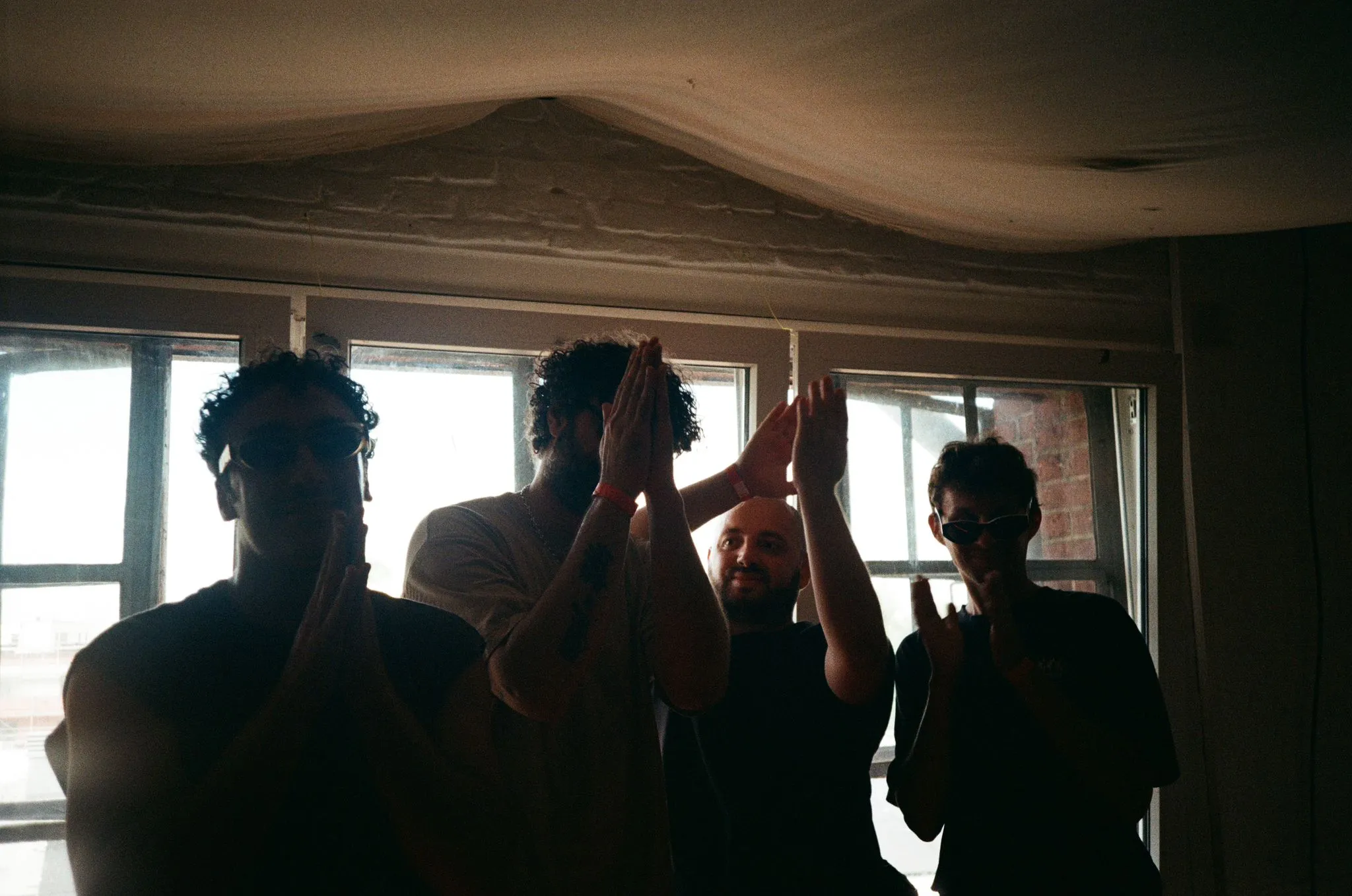
How has your approach differed from release to release? Have you had any common ground/recurring sonic or thematic anchors, or have you intentionally reset your palette each time? What went into a release like the ‘Lookbook 2021 – 2023’ one? “I’ve always been looking for my sound and kept thinking it wasn’t unique enough or distinctive. I compared myself to others way too much I believe and many artists in my surroundings had their thing while I had just the impression of wandering without knowing where to go. I feel like each release I’ve done was more a sum of the inspirations I had at that moment, an interpretation of the sound niche I was into. Also it depends on what mood I am in the studio, how I want to work. For example, right now, I’m more into working with samples again and it’s easier for me mentally to not deviate too much from this temporary mood.
If I had to give a common thing in my productions, an easy one would be what I refer to as “pitched FX” like zaps/zips/lasers/bubbles/sparkles/FM-y stuff. I really like these. I also like when I hear some when looking for music. As the title suggests, ‘Lookbook 2021–2023’ ended up being a compilation that reflected both Comic Sans’ and my own taste for club and non-club music with the dubby/bassy aesthetic being the backbone of the release.”
The underground electronic scene can move quickly, with sounds becoming trends almost overnight. How do you stay grounded in your own artistic identity without being pulled too much by what’s current? “I have the feeling I’m being pulled way too much by what’s current lol. I’m easily influenced. Or to say it differently, I’m easily influenced by the things I like — I’m diving straight in if I resonate with something instantly. It’s like a coping mechanism. My sonic journey really evolved according to the people around me and the artists I resonate with, even if I tried as much as possible making things through my own scope and not just replicating.
I think all I ever wanted to do was to fill the spaces between the things I liked but it wasn’t easy, mainly with the lack of knowledge, both cultural and technical. I tried myself on a lot of different styles over the years and now I know what I like about each of these. I’m seeing the result of years of peregrination into various sonic constellations. It’s easier now to connect the things I like and it’s time for me to go over the momentary inspiration and privilege long-term inspirations.”
You’ve taken your live set on the road a bunch in recent times, Positive Education and in London for the Bait x Kinetic party. Can you tell us a little bit about what’s gone into the live set? How do you balance some of your more dancefloor and introspective style influences? “Working on a live set has always been a challenge, for many reasons. The biggest being how to deal with the things I spend hours editing on Ableton and make it something to play live. My music is very programmed and I never thought about it in terms of playability or how the crowd would react to it. I hardly use a midi keyboard and as my hardware is totally free from presets, I didn’t want it to be totally unpredictable or spend too much time looking at my patch sheets in the dark.
Now I’m more confident about it even if the building of a live set is a never-ending process. In the first place my goal was to have lots of my tracks loaded in the live set and each time I would finish a track I would load it in and be able to jam with everything — like being able to play a setlist according to the room and set time. But with gigs’ deadlines I had to simplify it.
For now the project is composed of separate stems from released tracks, stems/loops from jamming sessions and unreleased projects, a midi drum rack, a midi rack made of samples working a bit like an MPC, randomly triggered FXs and a custom midi dub siren instrument I made with extra features like FM, feedback distortion, echo, etc. The released tracks usually have planned arrangements, especially for the build-ups and drops, with the scenes’ follow action feature. I use the other stems to jam and make transitions between tracks. With this system I can have both programmed stuff happening and playability. The balance between styles has been tricky. Sometimes I’ll just take a stem from a track as a layer option because I feel the full track doesn’t fit with the live set overall.”
What can you tell us about your recent collaboration with Sha Ru too? Vocals on that track are so tough, what an amazing track. “Virtual Forest approached us with that collab-only VA and we were really hyped about it because we knew each other from a couple of gigs and the internet and we both released on Pressure Dome. They sent me demos and unreleased stuff to pick ideas from. I blended stems from two of their demos and felt like making a rolling DnB track. The track came quite easily, we only did a few back and forths on the arrangement. I actually insisted on making the whole mix because I really wanted to try working with proper vocals and we’re really happy with the way it sounds. I really wish to work with vocalists again soon.”
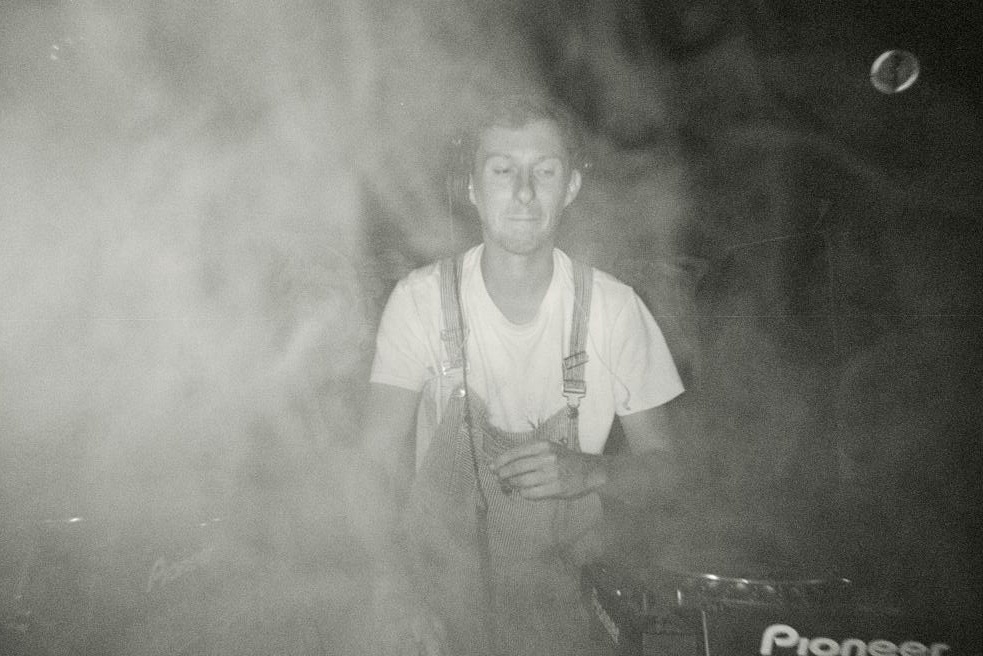
What does the dance floor represent to you now compared to when you first started going out? What sort of experiences and flow do you seek out via your DJ sets or someone else’s when watching? Can you tell us about some of your three favourite sets you’ve seen from other people? “Interesting question. Back in the day I was more focused on my own experience — finding a good spot to listen or dance and having a personal connection with the DJ and the music. I enjoyed the bangers and didn’t mind grabbing one or two IDs. But I wasn’t very analytic. Now, maybe because of my DJ experience, I pay more attention to how people around me are reacting and how the room is vibing. I also pay attention to how the DJ is playing emotionally and with energy level. I want to get better. I understand more the subtleties of set progression. These days when going out I’m looking to be challenged sonically. I like DJs who can switch moods, genres and BPM and blend it all seamlessly.
Three sets from 2024 really stayed with me:
– Livwutang closing at Persona 2024, from 23:00 to 02:00. One of the best festival closings I’ve attended.
– Kiernan Laveaux at Outracena 2024, 3 to 6am. First time I cried on a dancefloor.
– Jane Fitz at Dans An Diaoul 2024, Saturday afternoon before sunset. Energy kept rising and she played an extra hour without me noticing. Crazy moment.”
You’ve been a resident on LYL radio for a while too. Can you tell us a little bit about what goes into prepping your shows. Do you usually go in with an idea in mind? “These radio shows were thought of as a way to showcase a part of my sonic universe, linked or unlinked to my DJ/producer identity, so I named it “Bienvenue Chez Christian Coiffure.” Most of the time it starts with a few tracks I feel like playing and then I dig further. Sometimes I have a bigger concept. For example, one episode was built around gritty steppers dub, punky sound-system energy and experimental noise layered together. The DIY spirit and political aspect connected everything. I wish I had done more radiophonic shows with voiceovers but it’s a lot more work.”
Can you also tell us about Useless Records and how you became part of the team over there? “Early 2024 Antoine wanted to start a label independently from Positive Education and gathered Adrien (A Strange Wedding), Aurélien, Mouloud and me because he wanted to work with close friends. We already knew each other’s tastes so it was natural. Antoine had a YouTube channel called useless seconds and it made sense to keep that name. Now the project has grown into event production and a booking agency. I thought about launching my own label but as a group it’s easier — we trust each other and shape direction together.”
What sort of other hobbies or interests do you have outside of electronic music? Are there any books, films, shows or other things you’ve seen or been reading/watching that you might want to share? What is Quincé 35 Volts actually? “I like to cook, collect art books, and I’m into sci-fi/fantasy. I recently got back into painting Warhammer 40K miniatures. I follow politics closely, especially in France. I also love playing Scrabble with my girlfriend — Sunday ritual.
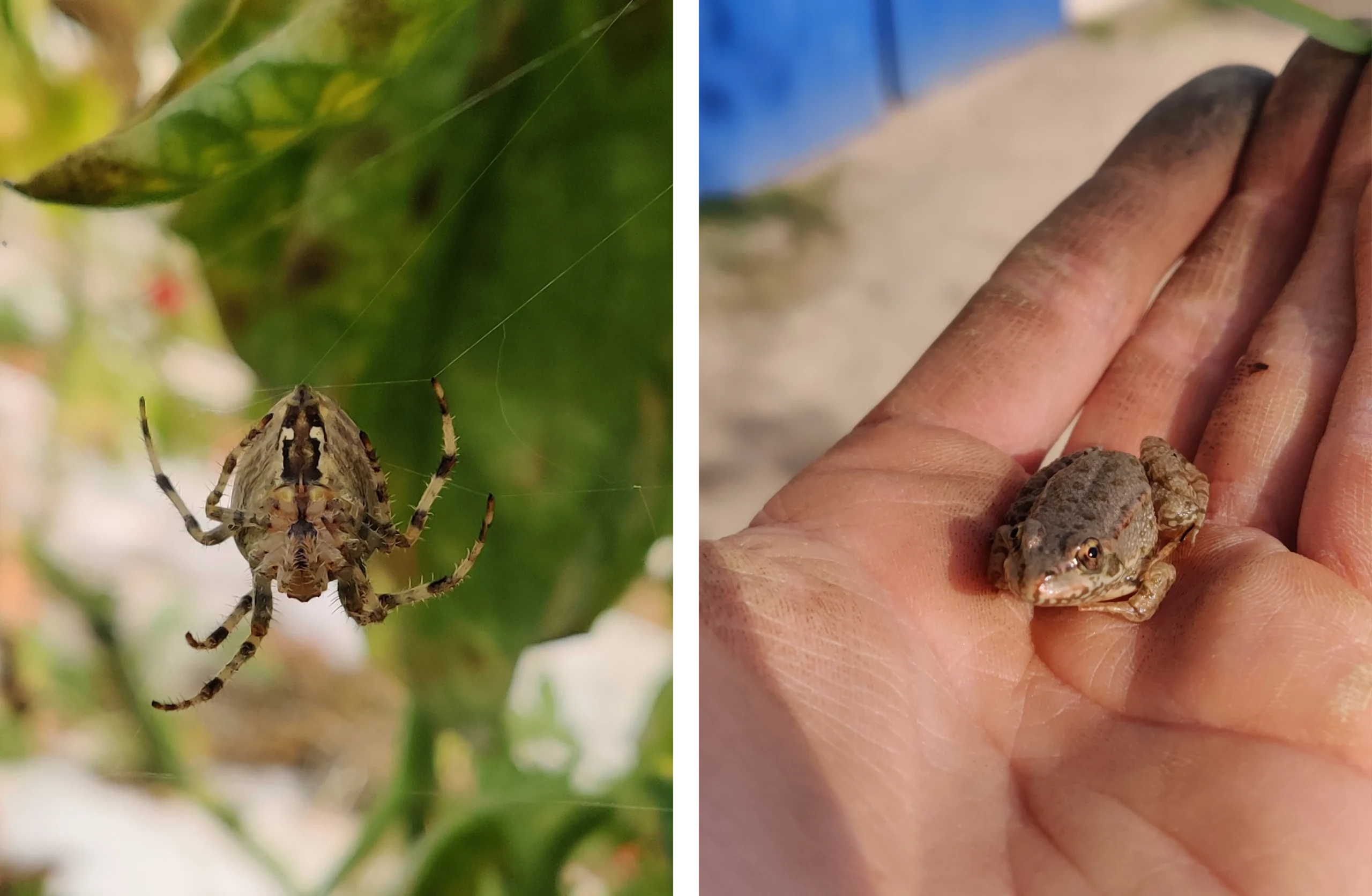
A recent read I loved was Piranesi by Susanna Clarke. I also read a book about the emergence of French RnB in the late 90s/early 2000s. 35 Volts is an association I joined in 2019. We reuse 1.5 hectares of agricultural land within the city. I’ve been hired as a vegetable grower for four years. We grow organic vegetables and sell locally. The association also runs an outdoor venue hosting gigs and activities, connecting with neighbourhood social actors. It’s challenging and fulfilling.”
Can you tell us about three albums that a) define you getting into electronic music in general, b) maybe a midway album when you were fully invested in DJing and c) a more recent one.
Flying Lotus – Until The Quiet Comes or James Blake’s self-titled debut. Beautifully haunted records.
Higher Intelligence Agency – Colourform. Discovered during recovery from a leg injury — deep ambient dub digging era.
L.B. Dub Corp – Saturn To Home. Overlooked at first but now a huge inspiration. Big tunes.
What was your approach to crafting your Truancy Volume mix, and are there any particular tracks that hold special significance for you? “The first 30 minutes were already prepared for another mix idea. Then I scrolled through my 2025 gig playlists and selected tracks I enjoyed most. I had too many so I refocused on the dubbier side of dance music. Special mentions: Mauzius – Ballet Eins (included two tracks), Miles J Paralysis – Until The End, James Massiah & Lord Turk – Might Be The One, and SHFT – Sequence Retrofit from our upcoming useless seconds compilation.”
Looking ahead, what territories, musical or otherwise, are you eager to explore in your upcoming work? What are you looking forward to most now in 2026? “I’m working on two EPs at the moment, in the sounds I played in the mix. I hope to wrap them by spring. The bigger project is a new album reflecting where I am now emotionally and creatively. I’m focusing on production, improving my live set, preparing DJ gigs like memòri festival, and sorting my digital and physical collection.”
Last, usual question from us, what was the last thing to put a big smile on your face and when was the last time you had a proper dance? “My girlfriend makes me smile every day. And the last proper dance was a few weeks ago at an all-nighter by Nono Gigsta in our hometown Rennes — lots of friends, very good party.”
C. Coiffure: Soundcloud, Instagram, Bandcamp, Resident Advisor
You can download Truancy Volume 361:C. Coiffure in 320 kbps and view the full tracklist on Patreon here. Your support helps cover all our costs and allows Truants to continue running as a non-profit and ad-free platform. Members will receive exclusive access to mixes and tracklists. We urge you to support the future of independent music journalism—a little goes a long way. If you need any IDs though, please leave us a comment on the Soundcloud link and we will do our best to get back to you with the track ID :)