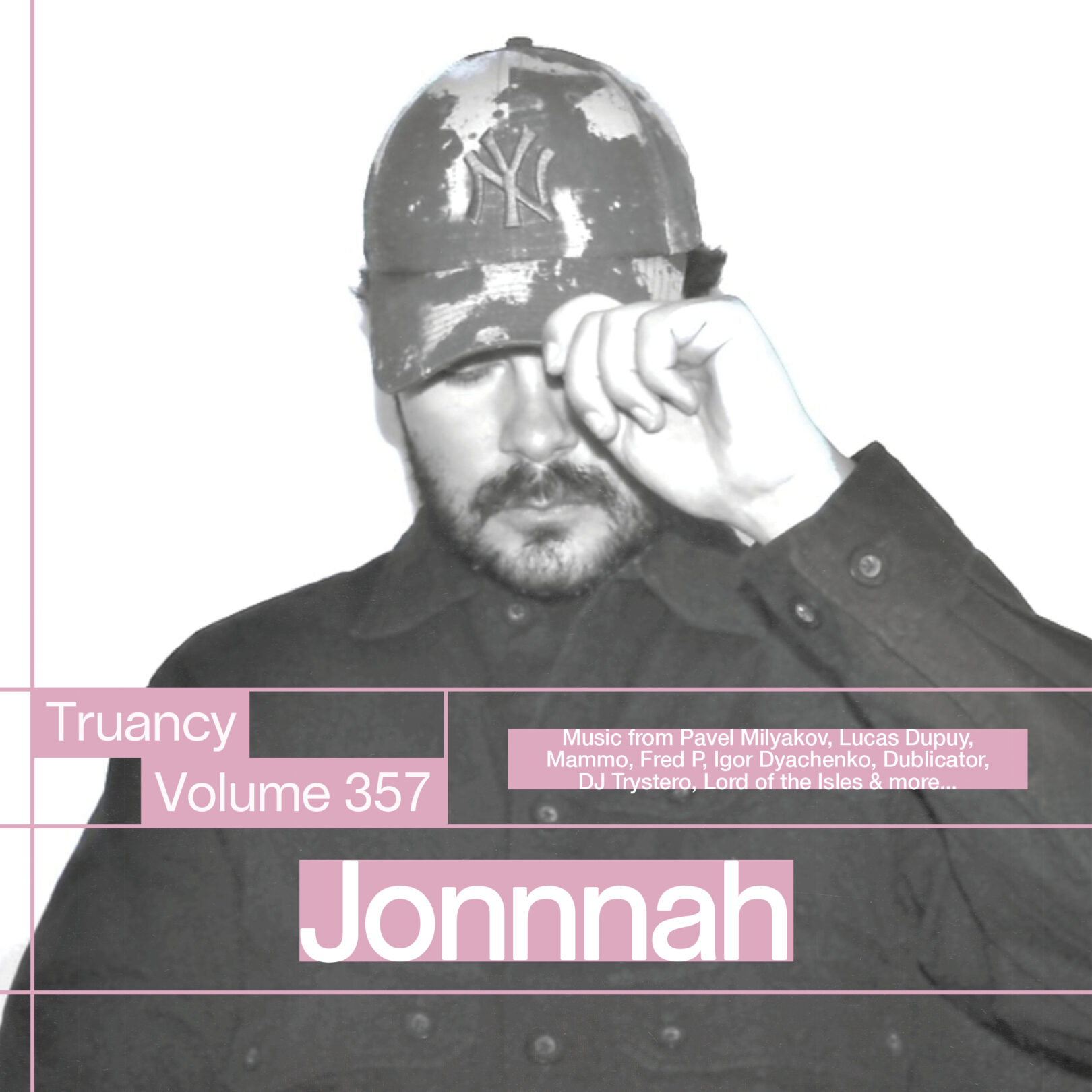
Currently based in Lyon, Jonnnah has become one of the most quietly essential voices in contemporary ambient and experimental electronics. His work sits at the intersection of emotional excavation and sonic world-building, crafting lush, often extremely subtle but detailed productions built around introspective vocal fragments, deep-set atmospheres, and a narrative sense of pacing that feels deeply, intuitively observant.
Before arriving at this current chapter, Jonnnah debuted with an album on Worst followed by Leaving Hell, Enter Paradise on Soleil Rouge, two early touchpoints that helped shape the emotional palette and experimental contours of his sound. In 2024, he stepped into full autonomy with The Next Kingdom on his own imprint, Second End Records, a breakthrough release that placed him firmly on our radar and became one of our favourites of the year. Now, less than twelve months later, he follows it with What They Left, a new full-length framed as an inward document of transformation. The result is a beautifully introspective collection of tracks that embrace clarity and resolution, spacious in its production with deep layers of dub and influences of subdued trip hop gently bursting at the seams. Our personal favourite track ‘Me, Elsewhere’ feels like a slowed-down minimalistic stepper straight out of an Autonomic time-capsule.
Across his DJ sets, releases, and label curation, it’s clear Jonnnah follows a simple compass of beautifully thought out emotional narratives. He’s drawn to artists who communicate something personal, and his music does exactly that in return. His Truancy Volume mix continues this ethos, conceived as a quiet story to accompany moments of reflection, flirting through tracks from the likes of Pavel Milyakov, Lucas Dupuy, Mammo, Fred P, Igor Dyachenko, DJ Trystero and Lord of the Isles for a mix of unguarded sincerity.
Hey there! So how have you been recently? What’s the year been like for you so far? “Yeah, it’s been quite a year. When I look back at everything that’s happened, it feels kind of insane actually. I feel really lucky. I didn’t necessarily plan or chase all of this, things just came together naturally. Balancing it all with my day-to-day work and lifestyle wasn’t always easy, but I think I managed pretty well in the end.”
Could you tell us a little bit about where you’re from and what are some of your earliest musical memories, not necessarily in dance music? “I’m from Clermont-Ferrand, a city about two hours from Lyon, surrounded by volcanoes and lakes. I spent around twenty years there, studying percussion at the conservatory and playing in several bands. Those early years really shaped my sense of rhythm and texture, even before I got into electronic music.”
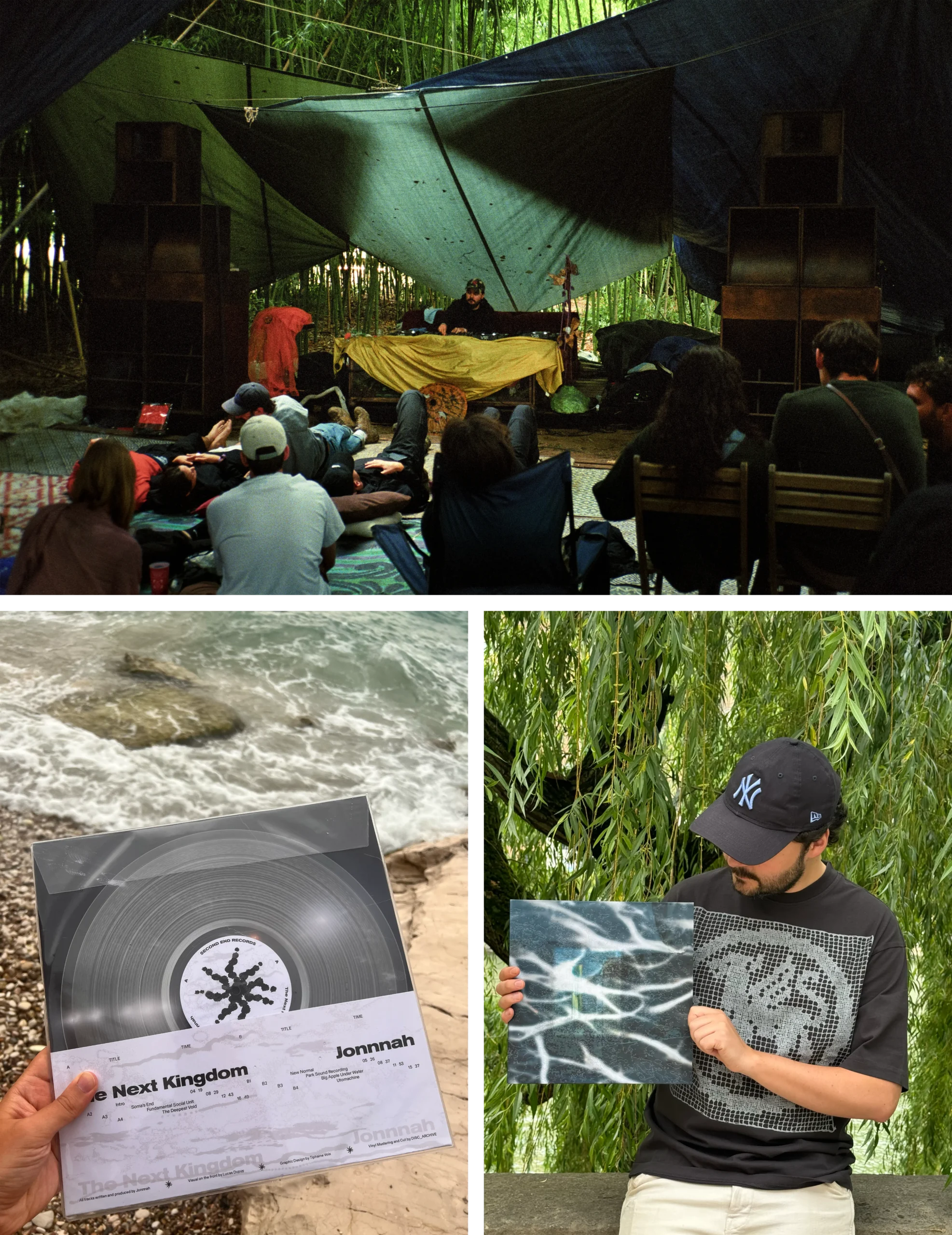
Could you tell us how you first got into electronic music and DJing following that? “I think it started with my fascination for transforming traditional music. My father worked with sound equipment for concerts, so I was always surrounded by gear and curious about how sound could be shaped. I also always had this desire to push my classical training into something less academic, a bit more punk in spirit. That pushed me to start building a small studio and to buy my first synthesizer, and I became completely addicted to it.
Later, I discovered the club side through a small venue in my hometown called Le 101, a tiny club with maybe a hundred people but a very strong energy. I spent a lot of time there when I was young. It’s where I had my first club experiences, played my first sets and met my first friends from that scene. It was a real social and musical home for me, and it opened my ears to so much great music. Sadly, the club closed last year, which feels like a huge loss for the local scene.”
What can you tell us about the nightlife you were attending? Was there a big scene in Lyon, or did you have to shape your own path? “I eventually moved to Lyon to go to bigger concerts and parties, but I never fully connected with the local scene. I think I arrived at the end of a cycle where a lot had been happening around techno. So I started organising my own events, bringing artists like Steve Bicknell, Arnaud Le Texier and Skee Mask. Later on, I curated the program for La Taverne Gutenberg, a big building with artist residencies, exhibitions and concerts. Then came Les Halles du Faubourg, the biggest project I’ve worked on. It was the kind of place where you could find everything: artisans, a radio, concerts, talks, a garden. What we call a tiers-lieu, a hybrid community space where anything was possible. We hosted some good events with Christoph de Babalon, Jay Glass Dubs, and lot of talented local ones.
What I loved most was that people came not for big artist names, but for the place itself, because they trusted what had been built there and the energy around it. I think that’s also what made it possible to showcase smaller or emerging artists, and there are so many incredibly talented producers in Lyon. It finally made me enjoy what was happening in the city again. This project eventually came to an end and now I work in a big concert venue here called Le Transbordeur.”
Do you remember your first DJ set? What venue was it at? “My first DJ set was at a private party with friends. It’s a really good memory.”
You debuted your first Jonnnah live performance at the first edition of Paturia back in 2020. What happened between that first performance and the release of The First Kingdom in 2024? “The team from Positive Education was at that festival, and Antoine and Charles asked me to release on their label Worst. It became my first release, and also my first one on vinyl. After that, I received a lot of proposals and shows. Before that, after finishing my studies, I had actually stepped back from music for a while to focus on my job. Then Covid happened, and it gave me space to reconnect with music in a deeper way. And Paturia marked the moment where I came back fully.
I then made another album that remained quite discreet for many reasons. It included collaborations with Trypheme, Christine DeNamur and my father. It was the beginning of showing that I wasn’t focused on just one style. I also returned to Paturia with Christian Coiffure for a live set as Permian Files, a project I loved even though it never really saw the light of day. The Next Kingdom is the most fully realised project because I coordinated everything myself. I loved being able to decide when to release it and to follow my own artistic direction. Having that global vision is really important for me.”
What do you think you learnt from this one, going into making your second one for Second End? “Maybe that I should press more copies, ahah”
You recently announced your upcoming album ‘What They Left’. Can you tell us how this one came together? “I started working on who I am, how I think and where I come from, almost like a form of therapy. I decided to build every track around this theme, and I want people to listen to the whole album because it’s important for understanding it. Musically, What They Left is built around contrasts: heavy emotions and more stripped-down moments, field recordings from places that matter to me, references to my family, and textures that feel like fragments of memories. I tried to create something intimate but still open enough for people to project their own stories onto it. Many people are very attentive during live sets, and I want that same level of attention for a listening experience.”
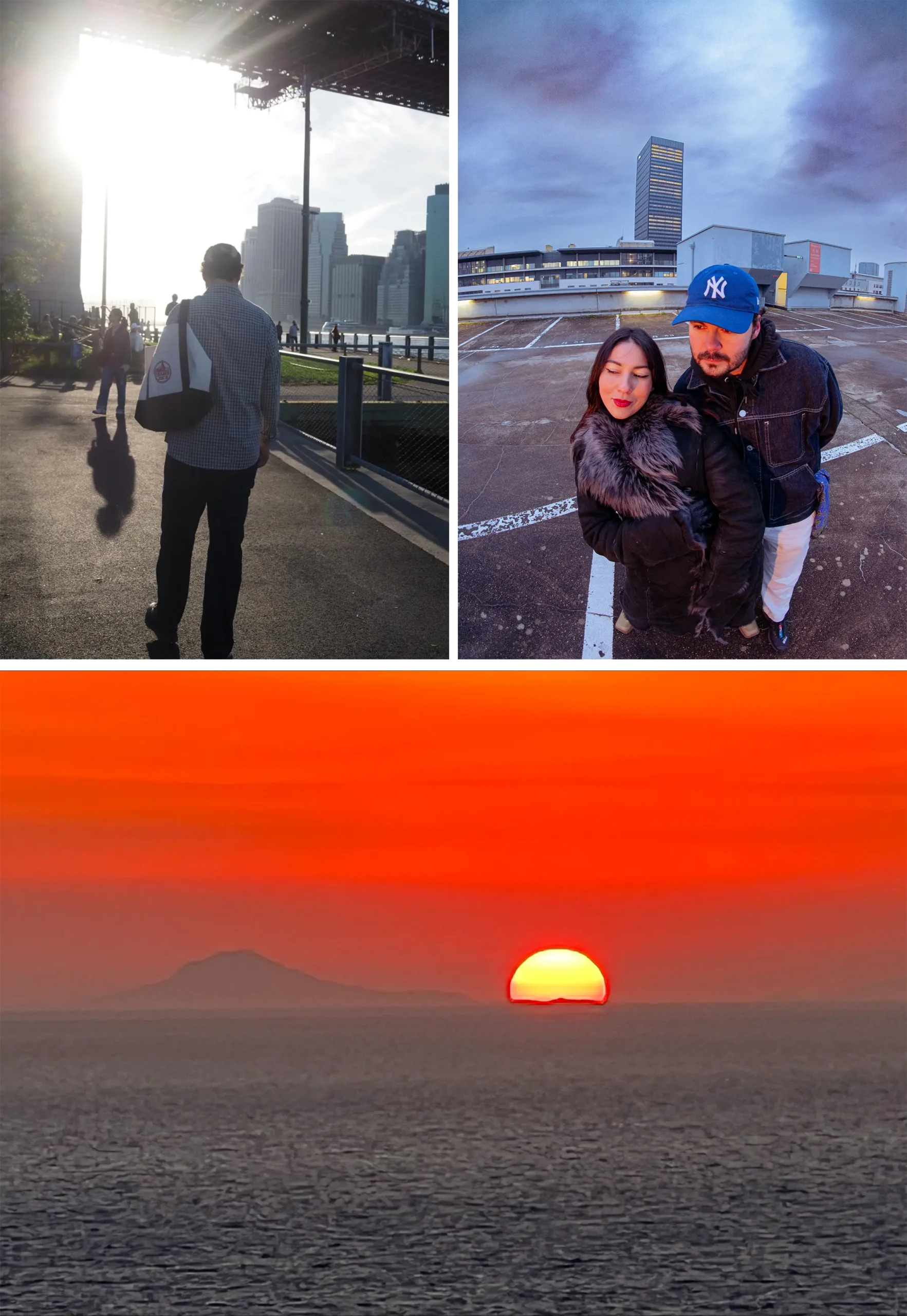
A lot of your music feels very introspective. Where does that come from for you? “I think it comes from the fact that I’m not really someone who talks a lot. I’m not shy, but expressing emotions verbally isn’t natural for me. Music is the way I can communicate things, and it has always been a form of therapy.”
What do you look for in other people’s music when it comes to curation for Second End, your mixes, or your daily listening? “I look for emotion through aesthetics, both visual and sonic. I’m really drawn to artists who want to express something personal through their work. That connection is important for me, and it’s what makes me want to collaborate with them.”
Can you tell us about three of your favourite sets you’ve seen from other people?
1 – I played at L&SD in New York and discovered Laenz. Her set was so powerful and emotional.
2 – Gyrofield at Atonal last summer. I had never heard anything like that in a club, beautiful dubstep textures with amazing detail.
3 – My close friend Sleek Fata, owner of Comic Sans Records. He’s the best DJ I’ve seen: so technical, with a constant avant-garde taste.
Can you tell us about three albums meaningful to your journey?
a) All the French touch scene. I don’t remember one specific album, but it was my entry point.
b) The Rainforest Spiritual Enslavement albums.
c) I have many, but maybe the recent album In Transit by Dave Huismans on Felt.
What hobbies or interests do you have outside of electronic music? “I recently watched all of The Sopranos. It’s probably the only thing I really enjoyed outside of music lately, lol.”
What was your approach to crafting your Truancy Volume mix? “I wanted to create something like a story, something you can listen to in a calm moment to understand my world and maybe your own a bit more. All the tracks are from producers I respect a lot, and I added an old unreleased track at the end so it wouldn’t be forgotten, ahah”
Looking ahead, what territories are you eager to explore in your upcoming work? “I have another big project starting now, which will be released in a year. It’s more instrumental, because that’s where I come from, and I need to step away from the computer a bit. I’m also continuing my project with my friend Salma Rosa. We’re working on our first EP together, which should come out in early 2026. And I hope to keep playing my music outside of France and connect with people who resonate with all of this.”
What was the last thing to put a big smile on your face, and when was the last time you had a proper dance? “I visited my old music school a few days ago and it was really emotional. And the last time I had a proper dance was at Paturia last summer, in front of Konduku and Garçon.”
Jonnnah: Soundcloud, Instagram, Bandcamp, Resident Advisor
You can download Truancy Volume 357: Jonnnah in 320 kbps here. Your support helps cover all our costs and allows Truants to continue running as a non-profit and ad-free platform. We urge you to support the future of independent music journalism—a little goes a long way. If you need any IDs though, please leave us a comment on the Soundcloud link and us or Jonnnah will get back to you with the track :)