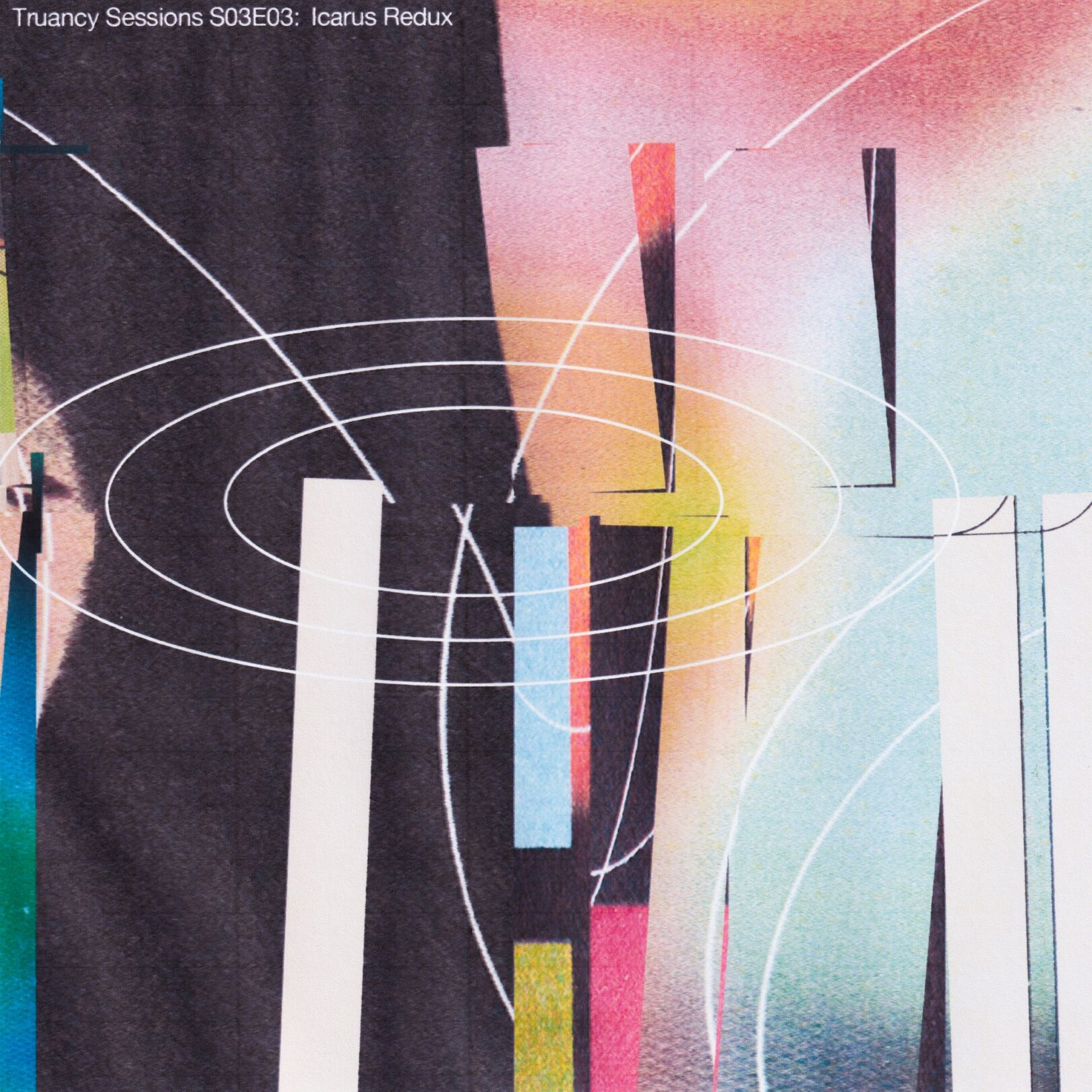
Icarus Redux: Bandcamp, IG, Linktree, Soundcloud
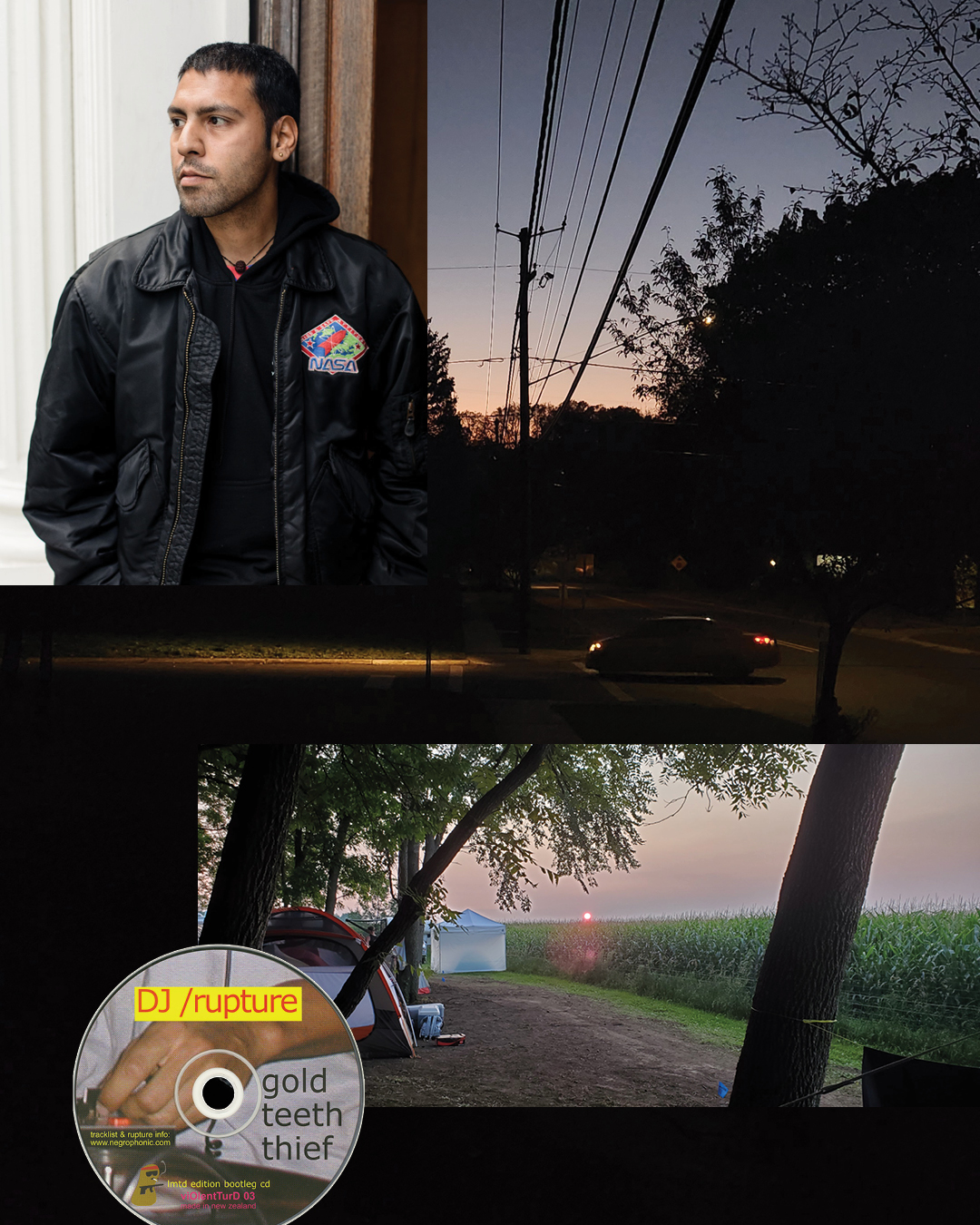
DJ /rupture’s “Gold Teeth Thief” arrived in 2001 as one of the first studio mixtapes distributed online—a three-turntable collision of breakcore, ragga, and Arabic folk that predated Girl Talk-style mashups by years and redrew the boundaries of DJ mixes. For the latest episode of Truancy Sessions, Maryland-based selector Icarus Redux takes on the ambitious task of reimagining that landmark work for 2025.
Icarus Redux’s trajectory into DJing began at George Washington University’s radio station in Washington, DC, where his show Sampledelia interrogated the art and interconnectedness of sampling. His education deepened through the dancefloors and warehouse parties of Los Angeles during that scene’s fertile 2014–2016 era, an internship at Ninja Tune’s LA office, and immersion in scenes spanning Minneapolis, India, San Francisco, and his current home in the DC metro area. Along the way, DJing transformed from communal release into something more intimate—what he describes as “a hyperlinked audio diary” where rabbit holes of hyperspecific sounds, sentimental impulses, and radical politics congeal into autobiographical works. He approaches mixing as prose, building navigable worlds where samples and influences recur with intention across an interconnected body of work.
Where DJ /rupture collided the obvious with the obscure, Icarus Redux updates the blueprint by weaving AI-extracted samples alongside deep cuts spanning decades and continents. The mix opens with conspiracy researcher Mae Brussell musing on utopian dreams, her words dovetailing into the evocative post-punk of Mark Stewart and The Maffia, before threading through Houston rap royalty DJ DMD layered against Shinichi Atobe’s minimal techno, the Middle Eastern-inflected production of Clipse’s “So Be It,” and Rachid Taha’s pointed inclusion from the Black Hawk Down soundtrack. Spoken word from DJ Shadow anchors the narrative, contemplating delusion and what it means to contribute back to the culture.
The mix itself is sharp and dynamic, opening with downtempo atmospherics before snapping into the explosive Bengali-bass-meets-footwork of DJ Hank’s “My Challenge.” From there it’s a whirlwind of global influences and genre-defying pivots: playful and sultry passages give way to abstract experimentation, which then settles into textured, guitar-laden grooves that build tension before spontaneously erupting. The interplay between harder edges and more uplifting moments whips between tension and release, subverting expectations at every turn. Sparser arrangements lead into dense, percussion-heavy sections, while nostalgic samples collide with contemporary club constructions. It’s closing note is reverberating and lush—sparse guitar with reggae undercurrents, psychedelic and contemplative.
“I want this to be a statement mix, in the same tradition as braggadocio rap or a DMC scratch routine,” says Icarus Redux. In the spirit of the millennium-era pioneers who blurred the lines between DJ mix and manifesto, he offered insights into the philosophy underpinning this tribute. In the following interview, we discuss his college radio origins, immersion in LA’s warehouse scene, the role of AI in contemporary mixing, navigating radical politics on the dancefloor, and what it means to treat DJ mixes as palimpsest.
Hi, Icarus Redux! Thank you so much for creating this mix for Truancy Sessions! How are you and what have you been up to lately? “Hey there! Thank you so much for providing a platform for this mix!
“I’m doing alright. I’m approaching the end of a protracted unemployment, which in the current job market…I’ll take what I can get! During the last few months, I have mostly been relaxing at my parents’ home in suburban MD, interacting with and walking the family dog, eating home-cooked Tamil food, job hunting, and recording mixes. I run (and program) a small bimonthly movie club at the house as well, with old friends from high school; that keeps me busy and socially engaged while being easy on the wallet.”
Could you share a bit about your journey into DJing? What role does it play in your life, and why has it become such an essential creative outlet for you? “My journey into the world of DJing began with college radio, as it has done for a lot of DJs I know. I wasn’t beatmatching, but I was sure as hell selecting, with a show called Sampledelia on George Washington University’s radio station WRGW that explored the art and interconnectedness of sampling. While I wasn’t familiar with DJ controllers or CDJs at this point, I often played tracks in pairs, the first sampled in the second, and explained the historical context leading from one to the other; I also dedicated entire shows to specific genres or samples, such as UK hip-hop or the Amen drum break. Meanwhile, I began going to shows in DC and Baltimore (RIP U Street Music Hall), primarily focusing on dubstep, post-dubstep, a little house, and the LA beat scene.
“My appreciation for dancefloor DJing came about via weekend-warrior participation and occasional party-throwing in Los Angeles nightlife from 2014-2016; promoting shows of my own gave me new respect for the work that goes on both behind the scenes and behind the decks. Given that trajectory, it’s surprising that I didn’t pick up DJing in LA! Instead, I picked up the basics of beatmatching from my friend Lanny while crashing on his couch in Minneapolis, and then learned the rest on my own.
“DJing’s role has evolved as my life has progressed in the last few years. Initially, it was intertwined with hedonism and communal release, but as time went on, as I experienced socially-enforced sobriety, and as live gigs became few and far between, it has become a kind of hyperlinked audio diary done through studio mixes (many of which are in a numbered series called Charas). Rabbit holes of hyperspecific sounds, sentimental (and sometimes romantic) impulses, and radical politics congeal into autobiographical mixes that process my emotions in near-real time. Samples, influences, and tracks get reused rarely, but with intention across multiple works. I use a variety of DJ techniques and extended techniques, some of which are documented or that I have coined myself, to establish a through-line from the E-motional innovation of the early 90s.
“Don’t get me wrong, I still love to play out live—please book me! But nothing beats having some fun thoughts and feelings about dance music and there being zero barrier to creating a mix about said ideas and emotions, because I can just walk downstairs to the basement and hit record. I can make my mixes as interconnected as I want them to be, and the mix determines its own music instead of the usual other way around.”
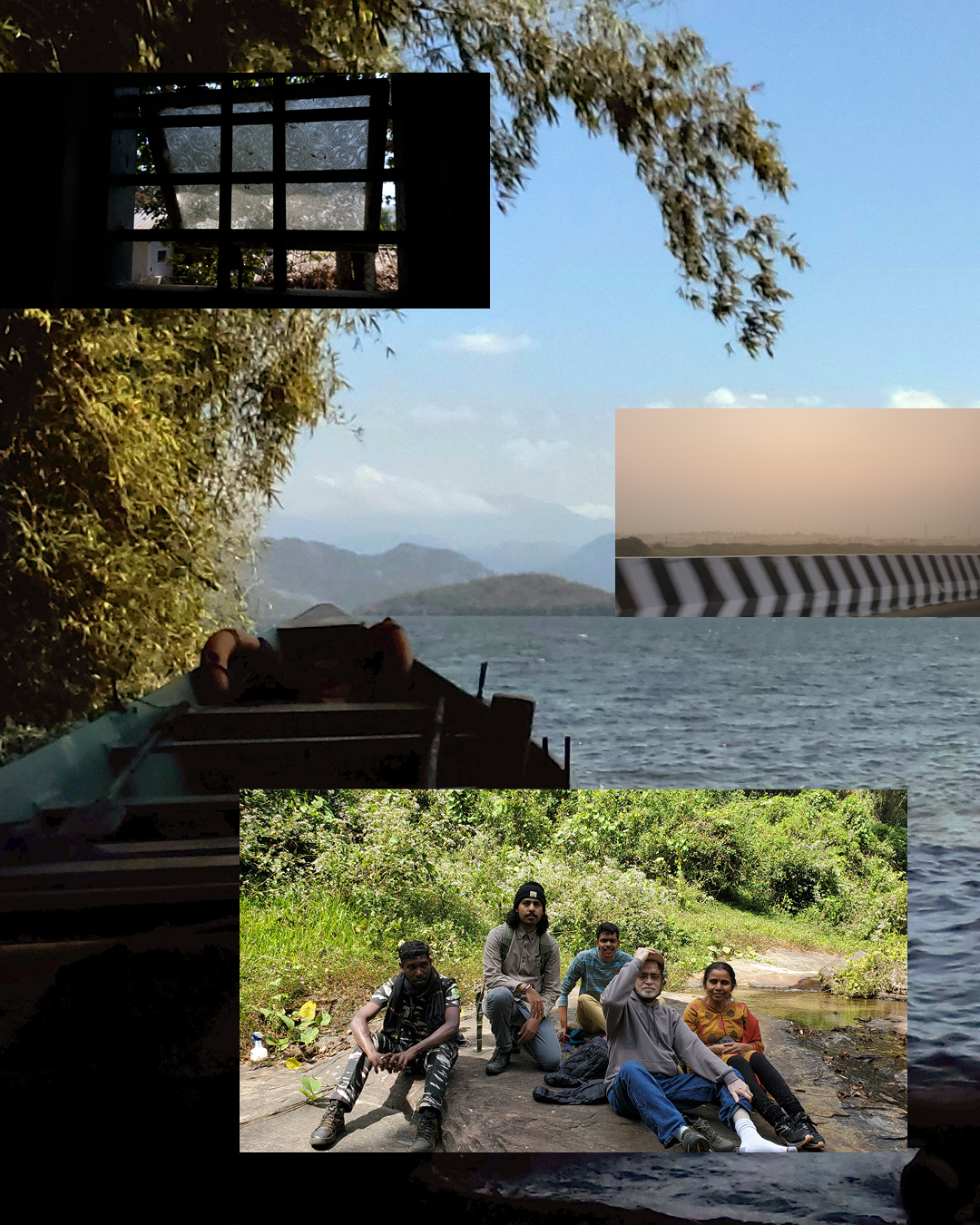
Your mix is described as “reverent to the original” DJ /rupture’s “Gold Teeth Thief” while incorporating newer sounds. What drew you to that particular mix as a template, and what does it represent in the history of DJ culture? “In answering your question I’ll preface it with a story from when I was living in India (spring of 2023 to early 2025). I had the opportunity to visit the Sathya Sai Grama in Muddenahalli for a few days, as one of my uncles is a longtime Sai Baba devotee. Now, I personally think the Sai Baba movement is equal parts compelling and spooky, and I don’t particularly put stock in religion or religious figures, but I was intrigued by the opportunity to see and speak to Sri Madhusudan Sai. Finally, the time came early in the evening to speak, and he asked me the question to which I had no answer: “Who is your guru?”
“As my relationship to DJing has deepened, so too has Sri Madhusudan Sai’s question reverberated. I was taught how to beatmatch, but I never had a Mike Huckaby-like figure in my life to show me the ropes, vouch for me, or give me opportunities to join the regional and/or world stage; instead, I voraciously read about and watched DJing, and cobbled together technique until I got to its bleeding edge.
“An approach to DJing that emerged via this experimentation is “covering” a DJ’s track selection and/or technique (with my own personality as well, so as not to seem like mere skinwalking/pastiche), as a tribute to their artistry. I’ve done two such prior mixes, one dedicated to Goa trance innovator DJ Laurent and another to Houston’s DJ Screw, so it was only natural for me to scale up the technicality with an attempt of DJ /rupture’s style.”
“DJ /rupture’s “Gold Teeth Thief” is notable to me, with respect to DJ culture, for a few reasons:
• It was one of the first studio mixtapes to be distributed online, in 2001
• It collided genres and high/low culture in a way that was uncommon at the time, and predates Girl Talk-style mashups by several years
• It is a technically proficient three-turntable mix”
The original “Gold Teeth Thief” was groundbreaking for its genre-defying approach—breakcore meeting ragga meeting Arabic folk. How did you approach updating this blueprint for 2025 while maintaining its revolutionary spirit? “I am a primarily digital DJ, so I decided to map the technical conceits (half-time/double-time mixing, 3 decks) to my own setup – 3 Pioneer XDJ-700s, a linear-fader Xone 92 mixer, and a Boss DD-20 delay pedal. What I couldn’t make up for in Jace Clayton’s track selection (namely, rare Arabic folk) I shifted my direction in terms of both track selection—more modern trends like Latin club music, grime, and footwork/juke—and technique—wrong-speeding and polyrhythmic mixing—meaning that I could play with 75/150bpm, 100/200bpm, and 133.33 bpm as well.
“I chose different Cannibal Ox and Funkstörung remixes, but preserved that element of Clayton’s track selection in my mix.
“When I did pick Arabic music, I picked music that spoke to a pivotal event of my upbringing as well as lyrically describing the situation in Palestine; what emerged was Rachid Taha’s “Barra Barra” from the soundtrack of Black Hawk Down (2001), a racist, jingoistic film that critic J. Hoberman called “perfectly attuned to the present moment in its tone of aggrieved injury” in relation to 9/11, and one that “allowed Americans to feel like victims and act like bullies—just like the hapless soldiers of the 1993 Somalia mission”.
“Clayton blended the obvious with the obscure in his mix, so I tried to pick tracks that did his kind of high/low culture smashing:
• Donovan Germain’s dancehall instrumental “Are You That Somebody” interpolates the Timbaland-produced Aaliyah song of the same name
• Vatogato & Cakedog’s “poundofpurp” takes Gucci Mane’s “Pillz” into the realm of footwork/juke
• Ruby My Dear’s “Uken” is a breakcore reimagining of the phrase “out in the streets they call it merther” (murder?) taken from Ini Kamoze’s 1984 reggae song “World-A-Music” and sampled famously by Damian “Jr. Gong” Marley in “Welcome to Jamrock”
“The use of the Soul II Soul’s “Back to Life” a cappella over Clayton’s own production (as Nettle) is a callback to a similar blend 57m45s into my mix from the 2022 iteration of The Great Beyond festival. I think “DJ mixes as palimpsest” is a pretty revolutionary idea, and goes much further than just calling DJing a form of “prose through other people’s music”.
“At the end of the day, I want this to be a “statement” mix, in the same tradition as braggadocio rap or a DMC scratch routine. Big blends with “25 Lighters” or Clipse (the Middle Eastern production of “So Be It” is not an accident!), rare cuts like Jungle Brothers’ “Simple As That” (from their long-shelved album Crazy Wisdom Masters), and the half-time/double-time madness and slippery time signature of Ruby My Dear’s “Uken” all ground the mix in familiar traditions while keeping it moving forward.”
You’ve incorporated spoken word samples from Mae Brussell and DJ Shadow discussing culture and delusion. How do these interludes function as narrative anchors in your storytelling? “Interesting fact about the Mae Brussell soundbite, I actually AI-generated it using ElevenLabs’s voice cloning functionality by training on an old speech sample—mind you, the quote that is on the mix is something Mae actually said, just not previously recorded as such. That said, the Mae Brussell and DJ Shadow spoken word samples together 1) highlight the difficulty in living by my personal politics and 2) break the fourth wall in describing my DJ approach.
“The Brussell quote about utopian dreams also dovetails neatly with the following lyrics of Mark Stewart and the Maffia’s “High Ideals and Crazy Dreams”. Brussell was, albeit in a more speculative way, one of the more notable conspiracy researchers of her era, and my lived experience as a voice-hearer of the “targeted individual” category echoes the parapolitical and deep political elements of her research. The DJ Shadow quote’s mention of “delusion” in particular is also a wink and nod to the TI experience, something that I have explored in numerous mixes prior to this.”
Your tracklist spans everything from Mark Stewart to Clipse to layering DJ DMD’s “25 Lighters” with Shinichi Atobe—connecting decades and continents. How do you discover these connections, and what new meanings emerge when you place these sounds in conversation? “As DJs, our primary tool is juxtaposing one or more sounds and songs on another. The more outré that combination, the less chance it’s been done before, and the more it can express a novel emotion. I’ve talked a little bit earlier about Jace Clayton’s high/low culture smashing in “Gold Teeth Thief”, but the way it emerges in my mix can be very simple and silly: both “25 Lighters” and “Heat 1” were detected by Rekordbox as being in the key of A minor, so I thought it was possible to blend them, by hook or by crook.
“In fact, I posted a screen recording of just that blend as a loosie to Twitter many moons ago only to have Shinichi Atobe react favorably to it! Soul II Soul over Nettle’s “Duende” was another Twitter loosie before it got integrated into this mix. Other such blends are about synchronicities with track titles, such as Daft Punk’s “Technologic” a cappella over 50 Cent (feat. Justin Timberlake & Timbaland)’s “Ayo Technology” instrumental.
“I think that the meaning that emerges when placing disparate sounds like these in conversation is evocative of what Clayton wrote about in his book Uproot: always-on Internet connectivity, much like the synthetic telepathy of the TI experience enabled by it, is an unforgiving environment that functions as “audio terroir”, creating and nurturing new sounds. It is only through hyperlinking audio in the mix format that one can tell stories between mixes, build a navigable world in the audio, and thus embed this lived experience into the music.”
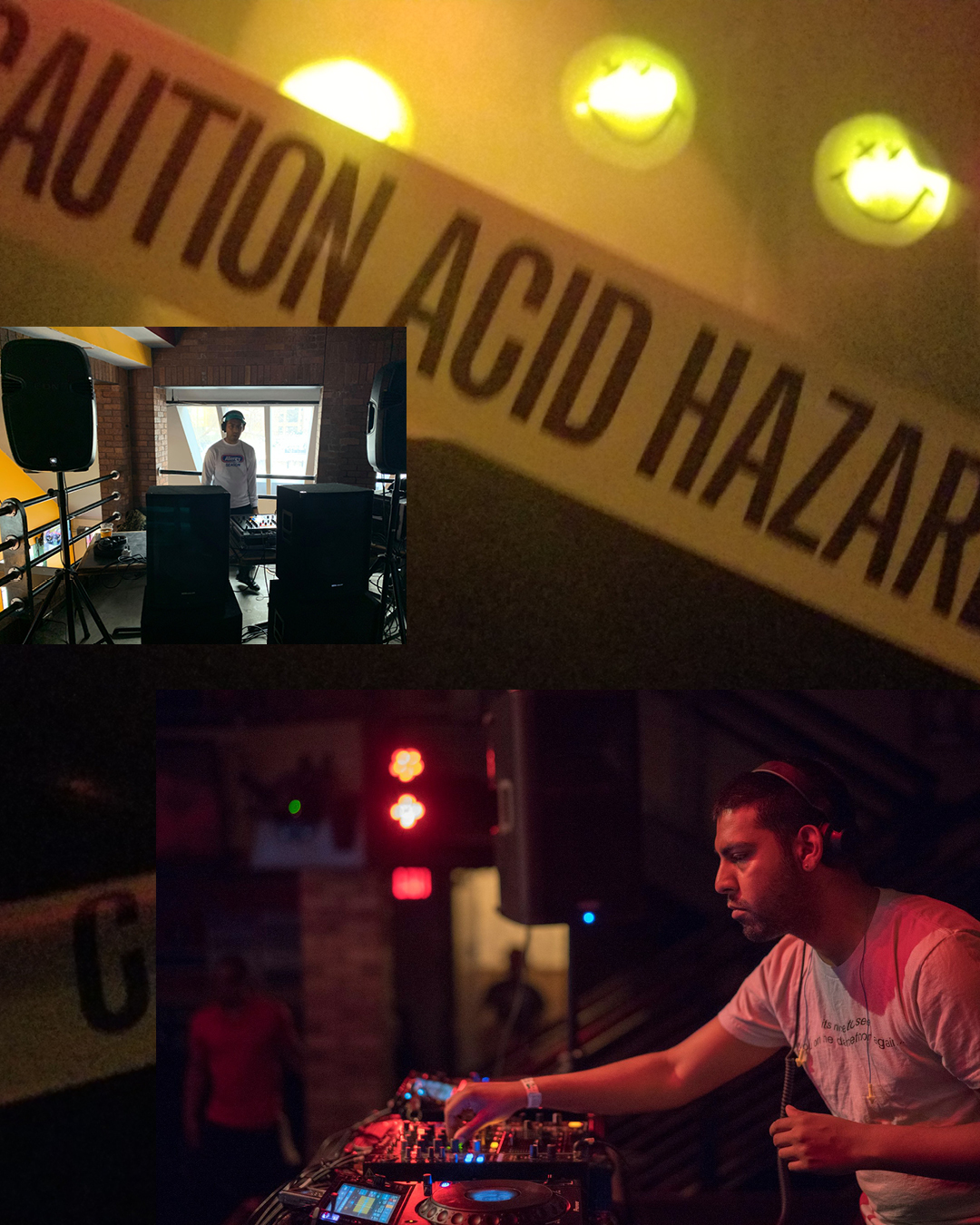
With your current base in Washington DC and connections to Los Angeles, what musical experiences in these different places have inspired you most? How do these different regional perspectives inform your curatorial approach? “I take a little piece of every place in which I’ve lived, into myself. More specific to my curatorial approach, I use regional sounds and perspectives as artifacts in my mixes.
““LA beats” and its interactions with dubstep (consider the output of Dublin record label All City, or Flying Lotus releasing “Glendale Galleria” on Pinch’s label Tectonic) brought me out to the West Coast after undergrad, but over time I learned to appreciate house, techno, and all of the many dance music genres and microgenres beyond house and techno. I wouldn’t have interned at Ninja Tune’s LA office, or started going out to warehouse parties, were it not for connections I made attending Low End Theory (RIP).
“LA’s warehouse party scene from 2014-2016 (a high water mark for that scene if I’m being honest) was particularly fertile for my creativity. In the writeup accompanying my Moods mix, I mention how a Floating Points show thrown by my friend Cooper (Far Away) inspired the inclusion of Indeep’s “Last Night A DJ Saved My Life”; every such late-night exploration of the span of dance music would get written, in a Pynchonesque manner, into mixes. After 2016, I relocated to the Minneapolis area, and both watched and participated in an ascendance of the scene there – Minneapolis plays house and other genres at day parties, but the warehouse party scene there was centered on techno.
“After Minneapolis, I spent time in India and then in San Francisco before ending up back in the DC metropolitan area. While I did not dive into any new musical genres per se by visiting these regions, I incorporated Punjabi hip-hop and quotes from SF scene documentary Between the Beats (2024) in the India- and SF-focused sections of “Charas 019: Psychosis”.”
Your work often engages with political and social themes. How do you balance the conceptual weight of these ideas with creating an immersive listening experience? “During the digging process, I will shortlist a couple of tracks or samples I think it imperative that I include in the finished product. These can be for conceptual reasons or personal favoritism. As I continue to playlist and sequence, the creative pendulum swings back and forth between placing tracks in juxtaposition for political/social reasons or for DJing reasons (e.g., similar sonic characteristics, harmonic fit, etc.). It’s around this time that I will also get a sense for whether a section of a mix needs to be wrongspeeded; that too can be done for political reasons, such as subverting the gender relations of romantic songs in the last half of “Charas 025: Love Hertz”, or DJ/compositional reasons like using the Psycho strings as a leitmotif in “Charas 008: Noided”.
“I can’t say I hit the mark 100% of the time, but all of the mixes I have assembled this way tend to be appreciable both as conceptual statements and listenable (sometimes even danceable!) DJ mixes.”
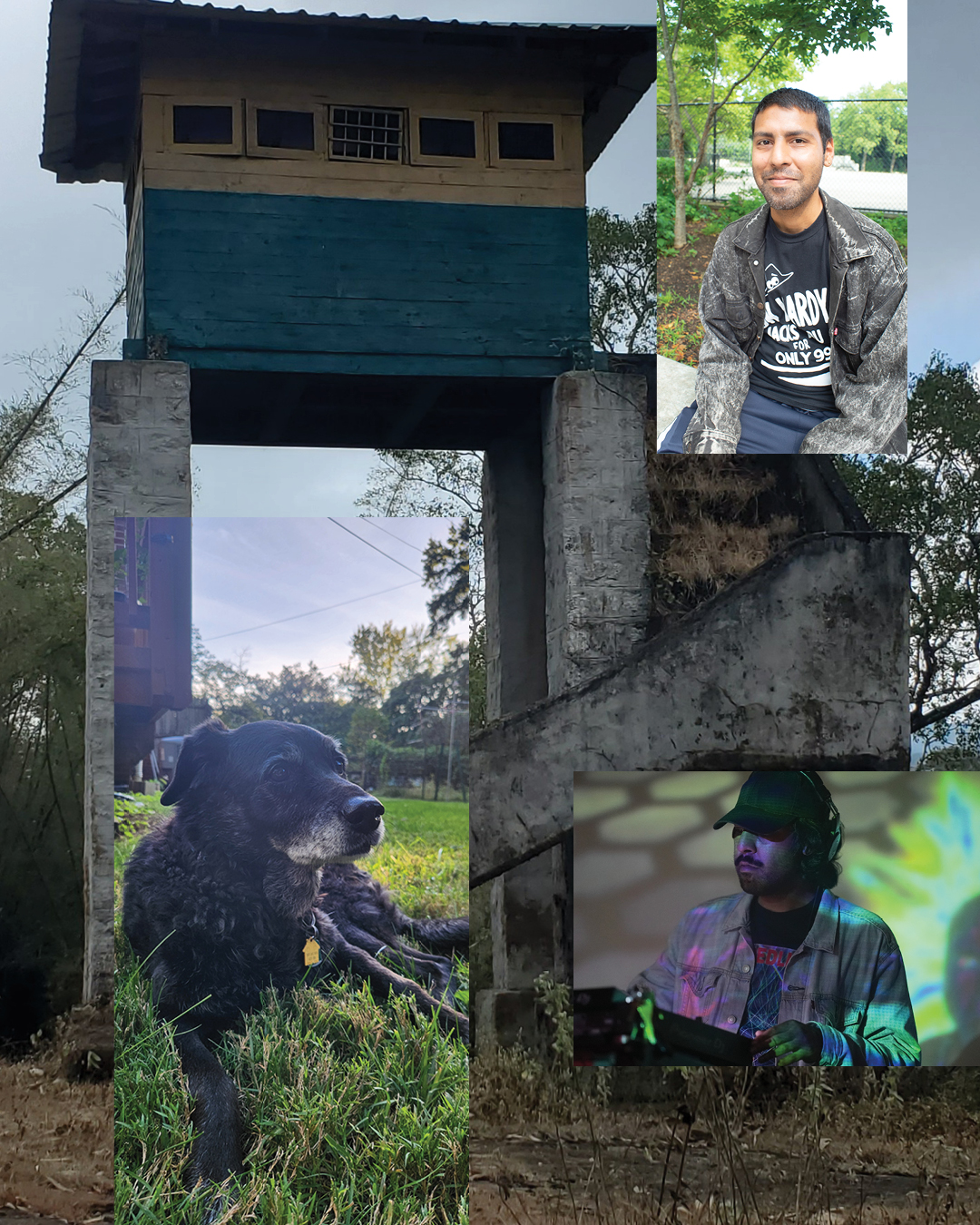
As you’ve written about electronic music and essential mixes for various platforms, when did you get into music writing, and how does it inform your work as a DJ? “Thank you for noticing the essential mixes post (part 1, 2, and 3)! It was a collaboration between myself and Vishnu, a Bangalore friend and club scene mover and shaker.
“There was no specific time I “got into” music writing; I’ve always been an avid reader of music writing, particularly about electronic music, since high school and the early days of Pitchfork, so my forays into writing came about organically through needing to write artist statements for mixes, or my friend Doug recommending me to Joshua Minsoo Kim over at Tone Glow.
“DJing and writing go hand in hand for me. I already think of DJing as prose, but some of my more radical, even psychedelic, ideas about a DJing body of work originated in arts writing I was doing in college. I did some blogging for WRGW too, though that work is now lost to the sands of time.
“There’s a pretty neat continuum to observe, with the right set of eyes and ears.”
With your tech background and use of AI-extracted samples, how do you view technology’s role in expanding electronic music’s possibilities while remaining connected to its analog roots? “Look, I’m skeptical of AI’s ability to radically reshape the inequalities of life under modern/late-stage capitalism – I have to front-load that statement before I say anything else about it! Between algorithmic bias, job loss, the lack of true understanding in AI systems, and the environmental effects associated with its infrastructure (data centers), I see AI as ultimately dumbing down critical thinking and maybe even a net negative on society under its current rollout strategy. Hot take alert!
“That said, AI stem separation has gotten frighteningly good in the last few years, and is here to stay in hip-hop and remix/edit production. If I stem separate audio intelligently, I can now make conceptual blends that are simply impossible to make any other way: for example, on “Charas 032: Alchemy”, superimposing Bryn Jones/Muslimgauze’s drone piece “A Nation” with just the vocals of Stilla & Nes’s “Harbu Darbu”, to excise the latter’s cultural appropriation of Chicago drill and allow its barbarism to shine through. And as for AI voice cloning, if it’s good enough (albeit controversial) to do with Anthony Bourdain’s own words in his posthumous documentary, it’s good enough for me. The ideology espoused by my work is almost always left of the current Overton window, so I see it as a form of détournement.”
Looking at your prolific output of mixes and radio contributions, what drives you to document these narratives so consistently? “Reality is always shifting around me, whether or not one considers the TI experience to be a contributing factor to that. My desire to “fix” assessments and ideas in place leads me to treat the act of DJing the way most would treat a personal diary, and consistency is key in journaling.
“Secondly, I take inspiration from the hyper-productivity of my producer icons, like Madlib. His work spans genre and style seemingly effortlessly, and that’s a quality I am chasing in my own DJ sets, whether live or in the studio.”
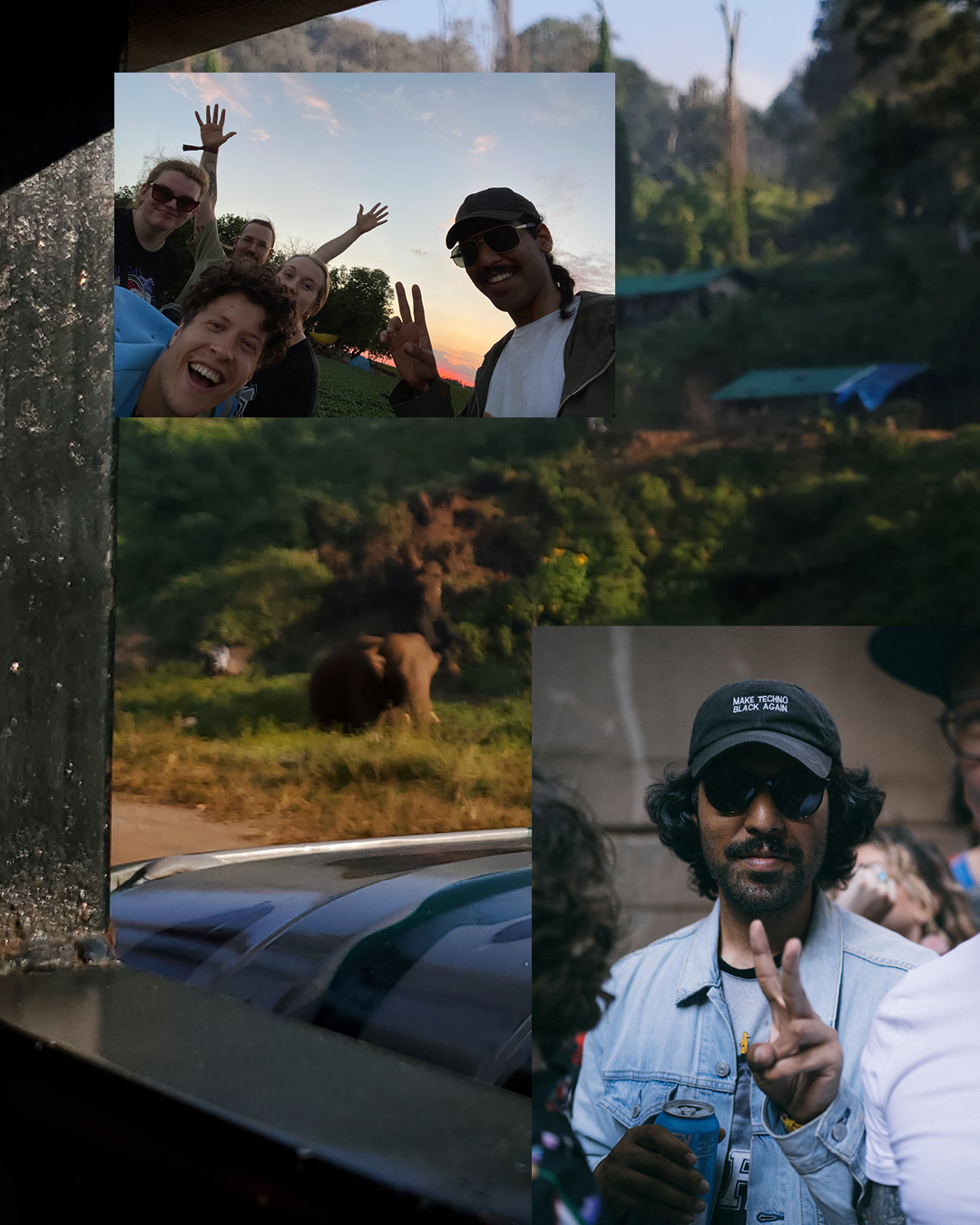
Are there places you dream of traveling to experience music in different contexts? Beyond music, what are some of your key interests or practices that bring you joy? “Portugal decriminalized drugs and has nationalized healthcare. They also have a vibrant scene and record label infrastructure, including but not limited to Principe Discos. I would love to spend some time in Lisbon before gentrification makes it impossible to move there.
“Another location in which I would love to experience music is the exclusion zone around Chernobyl. Part of the appeal is all the urban exploration I did in my youth, but I would love to expand on the ideas expressed in Jacob Kirkegaard’s 4 Rooms (from which I did an auditory moment of silence for Ukraine 1h12m20s into my radio show Two Doves).
“Besides music, key things that bring me joy are playing with my dog, watching movies, playing offbeat video games (two recent plays were Spec Ops: The Line and Cryostasis: Sleep of Reason), and eating good food from any culture!”
What’s next for you musically? Are there other iconic mixes or musical moments you’re considering exploring or reinterpreting? What are you looking forward to most in the coming months? “Not sure what’s next musically, to be honest! My moments of inspiration are either all at once or not at all, so continuing to immerse myself in live and recorded music should yield inspiration at some point. I have a few mixes still on the back burner, so I can always return to mix research for those if nothing comes to mind.
“I battened down the hatches during this period of unemployment, and I’m excited to be putting some money in my pocket so I can then go and spend it supporting my local club scene. I still haven’t had time to check out the new venue Transmission, so hopefully I can do that in the winter months.”
You can download Truancy Sessions S03 E03: Icarus Redux in 320 kbps on Patreon here. Your support helps cover all our costs and allows Truants to continue running as a non-profit and ad-free platform. Members will receive exclusive access to mixes, tracklists, and discounts off future merchandise. If money is tight however and you’re desperately after any ID, please leave us a comment over on the Soundcloud link and we will get back to you :)